LandSpace
Zhuque-2E Lurks in the Desert. May 2026 Could Roar.
Target NET
5/14/2026, 3:00:00 AM
Launch Site
Launch Area 96A
Rocket Configuration
Zhuque-2E Block 2
Mission Overview
The Zhuque-2E launch date 2026 is set for late May from Jiuquan. No agency track record, no orbit, just raw risk and rocket fuel.
Mission Details & Analysis
Pad 96A Keeps Its Secrets Close
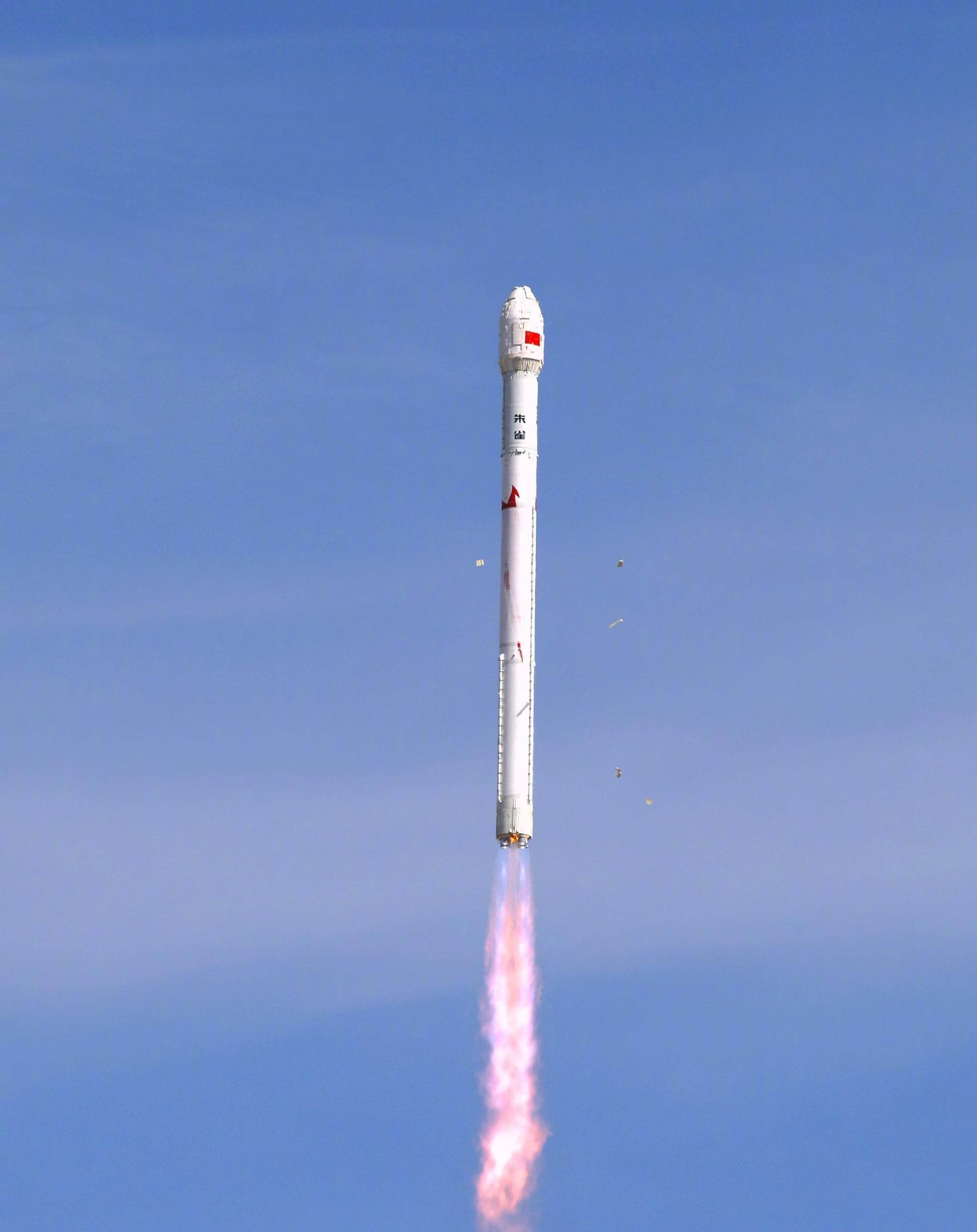
T-minus breath. Fuel lines hiss at Launch Area 96A. The Zhuque-2E launch date 2026 is locked for 31 May at 00:00 UTC and nobody knows what’s riding uphill. Concrete baked by decades of dust and daring holds a new bird with a blank manifest. Zero fanfare. Zero apology.
You can feel the countdown in your teeth. Winds across the Gobi fringe are docile today. Range safety hasn’t blinked. And LandSpace still refuses to explain why this flight even exists.
Zhuque Burns on Methane and Mystery
Zhuque-2E wears the same cryo tattoo as its kin: methalox heart, staged combustion swagger, stainless skin meant to shrug heat. It lifts hard from the Zhuque family line but LandSpace publishes fewer brags than outcomes. Successful launches are listed as N/A like a dare. Engines designed to sip fuel and spit speed might just work the first time. Or they might teach engineers another expensive lesson.
Beijing’s civil calendar favors bold dates. May’s sky is wide and winds are predictable enough to gamble a secret payload. The rocket doesn’t care about marketing slides. It only cares whether turbopumps spin true and tanks stay stiff at chill-down.
Jiuquan Waits for Someone to Fail or Fly
Launch Area 96A has seen more flame than fame. This stretch of desert flats rewards precision and punishes ego. Independent missions don’t get parade coverage. They get range time at midnight and telemetry that either sings or screams. Orbit and payload type remain blank boxes because the customer likes it that way or because nobody knows yet.
History here is short on mercy. Success arrives quietly. Failure echoes. By late May 2026 the pad will either add another win to China’s growing ledger or hand engineers a stack of wreckage and regret. No press release can fix that math.