Isar Aerospace
Spectrum Roars Again: Inside Isar’s Risky 2026 Bet
Target NET
8/6/2026, 12:00:00 AM
Launch Site
Orbital Launch Pad
Rocket Configuration
Spectrum
Mission Broadcast Area
Awaiting Official Live Stream
Launch is more than 1 hour away. Video may show a previous scrubbed attempt or holding screen.
Mission Overview
Isar Spectrum second test flight 2026 Andøya ignites with five cubesats and one stubborn experiment. No hype. Just rockets, risk, and sun-synchronous ambition.
Mission Details & Analysis
Andøya Refuses to Chill
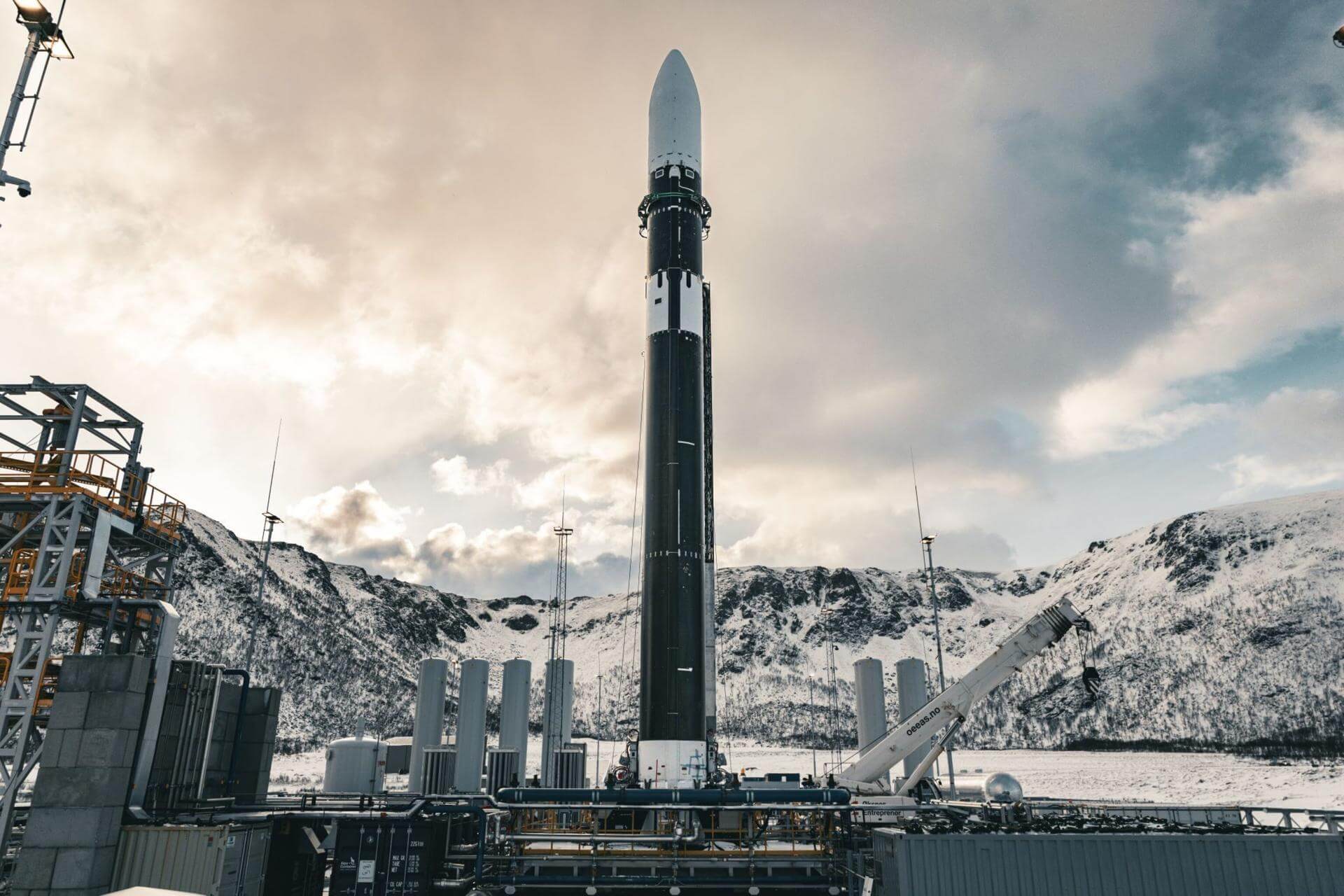
The pad breathes salt and static. May 31, 2026 looms like a dare. Isar Spectrum second test flight 2026 Andøya slices into search minds because this is not a debut—it is a second chance with teeth. Five cubesats and the non-separable Let It Go experiment brace inside a slender stack while countdown clocks learn new habits.
Wind sweeps clean. The spectrum vehicle, born of a family line still unnamed, stands vertical on the Orbital Launch Pad. Sun-synchronous orbit calls. Test flights answer.
Rocket Boys with a Blank Resume
Isar Aerospace carries zero successful launches like a badge. Not shameful. Hungry. Their spectrum rocket refuses to apologize for its youth. Propellant margins whisper. Structures hold secrets. This flight will pry them open. No agency hand-holding. No glossy program slogans. Just hardware and hubris balanced on the edge of Arctic night.
Andøya has seen things blow up beautifully. It respects those who try louder. The spectrum family may be unknown today—but after this flight, it will have a reputation carved in frost and flame.
Payloads That Bite Back
CyBEEsat, TriSat-S, Platform 6, FramSat-1, SpaceTeamSat1—five cubesats itching to prove cubes can chew big missions. Let It Go stays clasped, a non-separable experiment mocking the idea of simple releases. Europe’s Boost! program tagged along quietly, as if aware that elegance here would be reckless.
Sun-synchronous orbit awaits. Not for selfies. For data that bites. The pad exhales. The rocket flexes. Andøya watches, already drafting the next headline.