Russian Federal Space Agency (ROSCOSMOS)
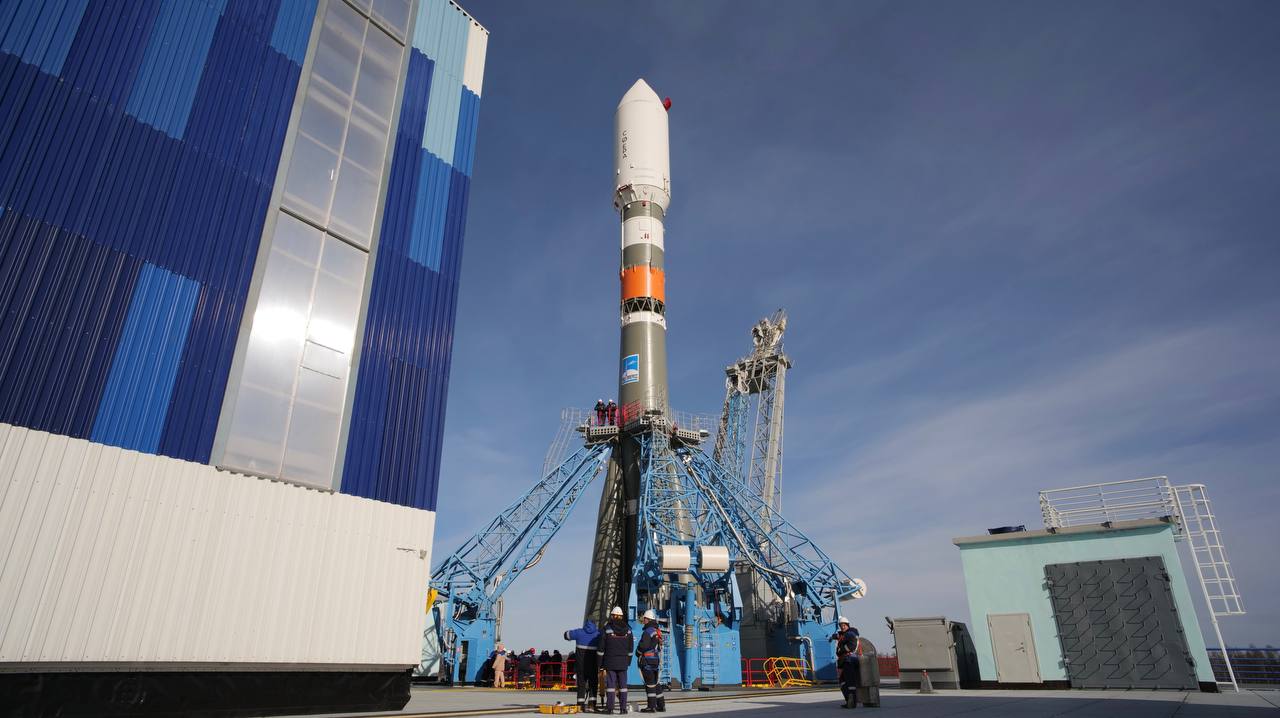
Soyuz 2.1a Progress MS-35 Ignites Over Baikonur This Fall
Target NET
9/9/2026, 4:10:00 PM
Launch Site
31/6
Rocket Configuration
Soyuz 2.1b
Mission Overview
The Soyuz 2.1a Progress MS-35 launch date is set for 9 September 2026. Watch Roscosmos haul fresh cargo to the ISS from historic Baikonur soil.
Mission Details & Analysis
Pad 31 Eats Smoke Before Dawn
Countdown clocks at Baikonur do not forgive. The Soyuz 2.1a Progress MS-35 launch date arrives 9 September 2026 and the steppe already smells like frost and kerosene. We strap into a routine that never looks routine when 300 tonnes of missile hardware decides to thunder.
Roscosmos has bent metal 330 times without fatal shame. The numbers hold. The 2.1a upgrades keep burning cleaner while Pad 31 keeps answering. It is engineering as stubborn geology.
Four Boosters and a Nervous Smile
Soyuz 2.1a sheds its four liquid boosters like a gambler tossing bad cards. The core staggers under RD-107 veins until even it gives way to vacuum and finesse. Progress MS-35 will carve a shallow arc into Low Earth Orbit and chase the ISS with old-school calculus and fresh automation.
We trust this ballet because margins are thin and voices are loud. The rocket speaks first. Telemetry answers later.
Steppes, Treaties, and a Steel Needle
Baikonur sits inside Kazakhstan but dreams in Moscow measures. Vostochny waits. Plesetsk broods. French Guiana buys seats. Yet 31/6 still hosts the freight runs that keep the station alive. Legal webs from 1984 still tether crews to cans spinning at 28 000 kilometres per hour.
Progress MS-35 carries water, air, and hubris in aluminium. The ISS gulps. The crew exhales. Another resupply fight ends not with ceremony but with silence at the other end of a tether.