Russian Federal Space Agency (ROSCOSMOS)
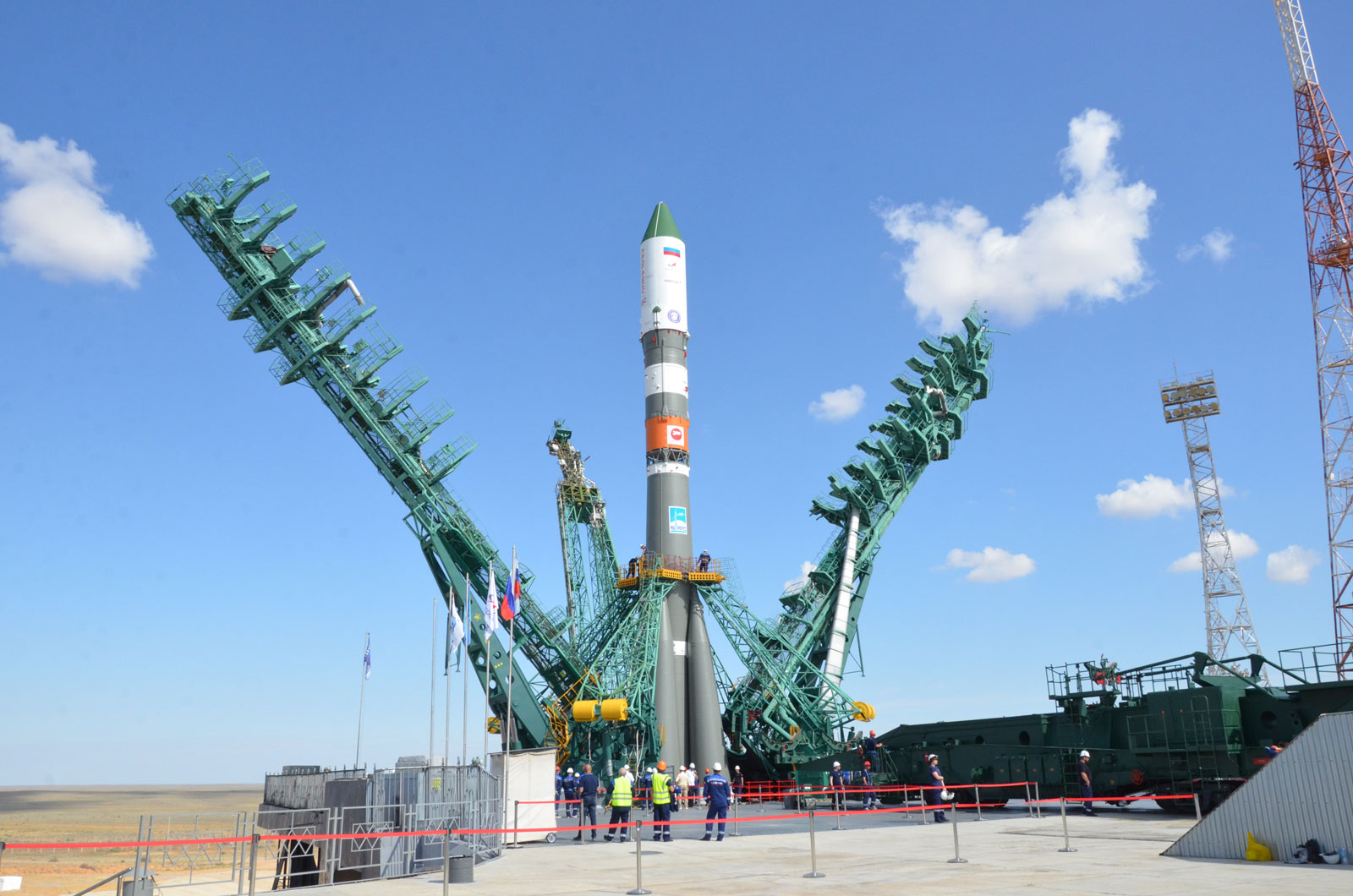
Soyuz 2.1a Progress MS-34 Ignites Over Baikonur in 2026
Target NET
4/25/2026, 10:21:47 PM
Launch Site
31/6
Rocket Configuration
Soyuz 2.1a
Live Mission Coverage
Mission Overview
Feel the raw thunder of the Soyuz 2.1a Progress MS-34 2026 launch from Baikonur as Roscosmos feeds the ISS again. Secrets, specs, and flame.
Mission Details & Analysis
Toxic orange fog swallows the pad at 31/6.
The Soyuz 2.1a Progress MS-34 2026 launch locks into the clock. T-minus meters blink like trapped stars. You can taste the kerosene before the tanks even sing. Progress MS-34 will haul tons of oxygen, data, and longing into a thin ribbon of orbit for the International Space Station. No spectacle. Just combustion obeying old equations.
Baikonur groans under its own legacy. This is 31/6, the same concrete throat that vomited Gagarin upward. Roscosmos carries 330 clean launches on its back like scars. The Soyuz 2.1a knows what it is—no apologies, no hype. It lights, it bends the horizon, it delivers.
Soyuz 2.1a’s blunt nose hides shrewd nerves.
The booster strips weight without stripping dignity. RD-107 and RD-108 engines breathe staged combustion like aristocrats sipping poison—efficient, lethal, quiet. Four boosters wrap the core like jealous siblings. They peel away once their rage is spent. The core keeps punching while Progress MS-34 nods inside its fairing, already dreaming of docking ports and crowded corridors.
Flight computers speak in terse Russian verbs. Navigation wires into centuries of ballistic cunning. The rocket does not promise—it performs. By the time sunlight catches the vapor trail, the orbit is already owned. Precision looks boring from far away.
Kazakh winds still carry Cold War ghosts.
Steppe dust cakes the transporter-erector. Technicians curse in dialects older than the pad. Baikonur sits where empires frayed, yet 31/6 remains a profit center for Roscosmos and a grocery run for the International Space Station. The legal web of ISS ownership stretches across sixteen nations, but here the contract is simple: fuel, fire, food.
Progress resupply missions never beg for headlines. They steal them. The Soyuz 2.1a Progress MS-34 2026 launch will vanish from trending lists within hours. The station crew will unpack crates in silence. And Earth will keep turning, indifferent and full, beneath a fading plume of alumina smoke.