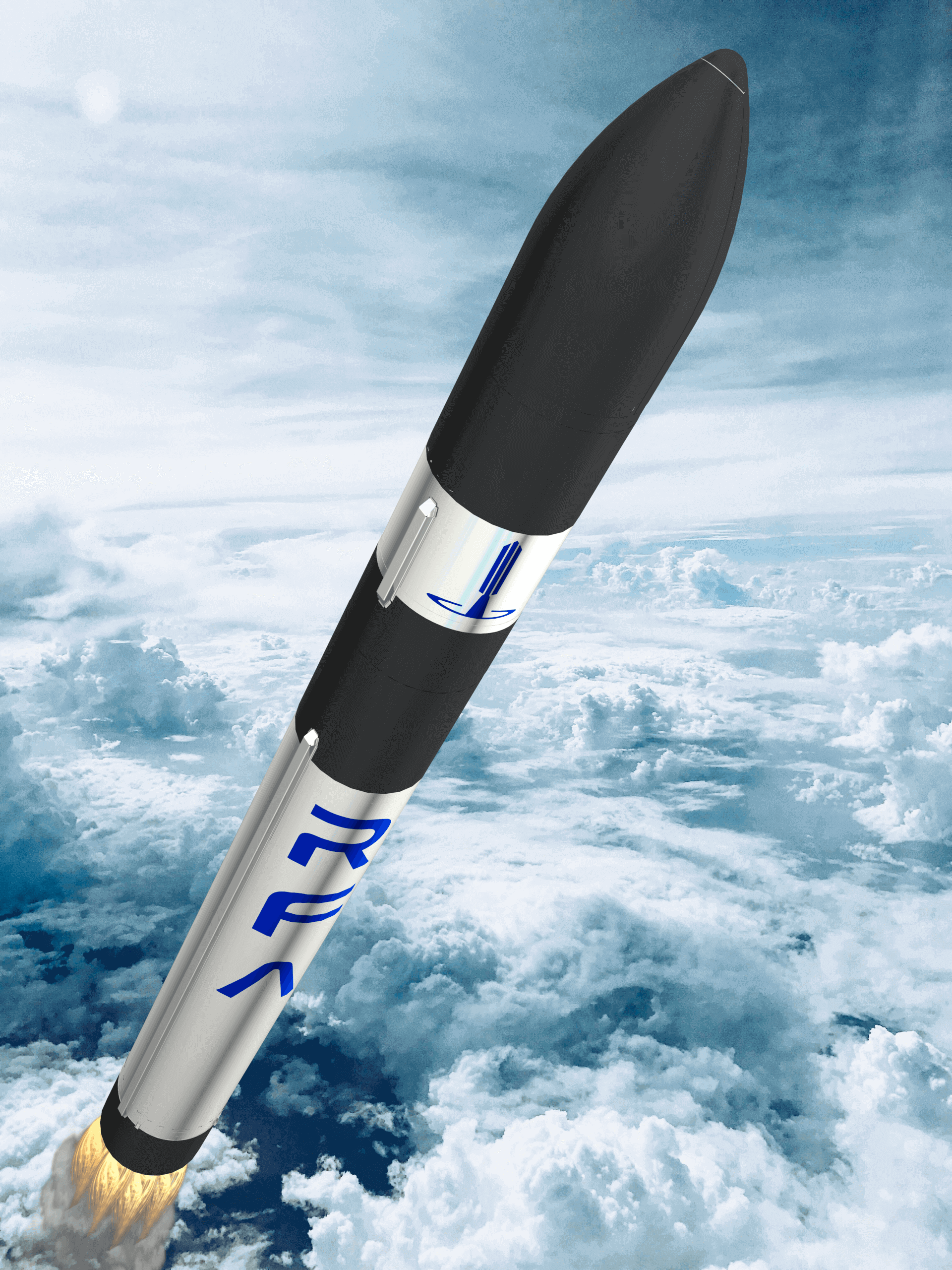
Rocket Factory Augsburg
RFA One Maiden Flight: SaxaVord Ignites in 2026
Target NET
12/31/2026, 12:00:00 AM
Launch Site
Launch Pad Fredo
Rocket Configuration
RFA One
Mission Overview
Watch RFA One maiden flight SaxaVord 2026 lift seven satellites from Launch Pad Fredo. Raw thrust, no corporate fluff.
Mission Details & Analysis
Launch Pad Fredo Drinks Propellant
T-minus meters and rising. Atlantic wind bites steel. RFA One maiden flight SaxaVord 2026 is no dress rehearsal. Seven satellites hold their breath inside a German cylinder built like a tightened bolt. DLR nods. The pad exhales LOX. Countdown forgets politeness.
Rockets are cars here. Fast. Repeatable. No marble lobbies. Only tubes, tanks, and torque. If this one clears the clamp, Europe gains a fist that punches weight to sun-synchronous lanes without begging for permission.
RFA One Burns Like a Tuned Port
RFA One runs refined kerosene and liquid oxygen with turbo-pumps that chatter like typewriters. Staging is abrupt. The upper stage relights for precision, carving a neat track no higher than it must. Sun-synchronous orbit suits spies and soil scientists. It lets sensors compare shadows at the same clock hour every pass.
Rockets fail quietly until they don’t. RFA prefers noise. Data will stream in torrents. Engineers will curse and grin. A single flight won’t prove a fleet. But orbits don’t care about press releases. They only respect speed aimed exactly right.
SaxaVord Eats Fog for Breakfast
Shetland rocks remember salt. Launch Pad Fredo sits where gulls outnumber suits. Weather is moody. Yet June at this latitude gifts long light and stiff, steady flow. No drama means nothing to climb. SaxaVord was built for claws, not carpets.
Seven birds ride shared rings. Names like Curium Two and ERMINAZ sound like serial codes. Each fights for a different buyer. One ring releases them like marbles from a thumb. Debris risk bends to math. The ocean below swallows fairings. Success smells like ozone and cheap coffee, not victory laps.