Northrop Grumman Space Systems
A Dying NASA Satellite Gets an Orbit Kick in 2026
Target NET
7/3/2026, 8:36:00 AM
Launch Site
Kwajalein Atoll
Rocket Configuration
Pegasus XL
Mission Overview
The Pegasus XL Swift Rescue Mission 2026 sends Katalyst Space Technologies to re-boost NASA’s Neil Gehrels Swift Observatory from air launch at Kwajalein Atoll in 2026.
Mission Details & Analysis
Air launch off a Pacific speck ignites midnight urgency
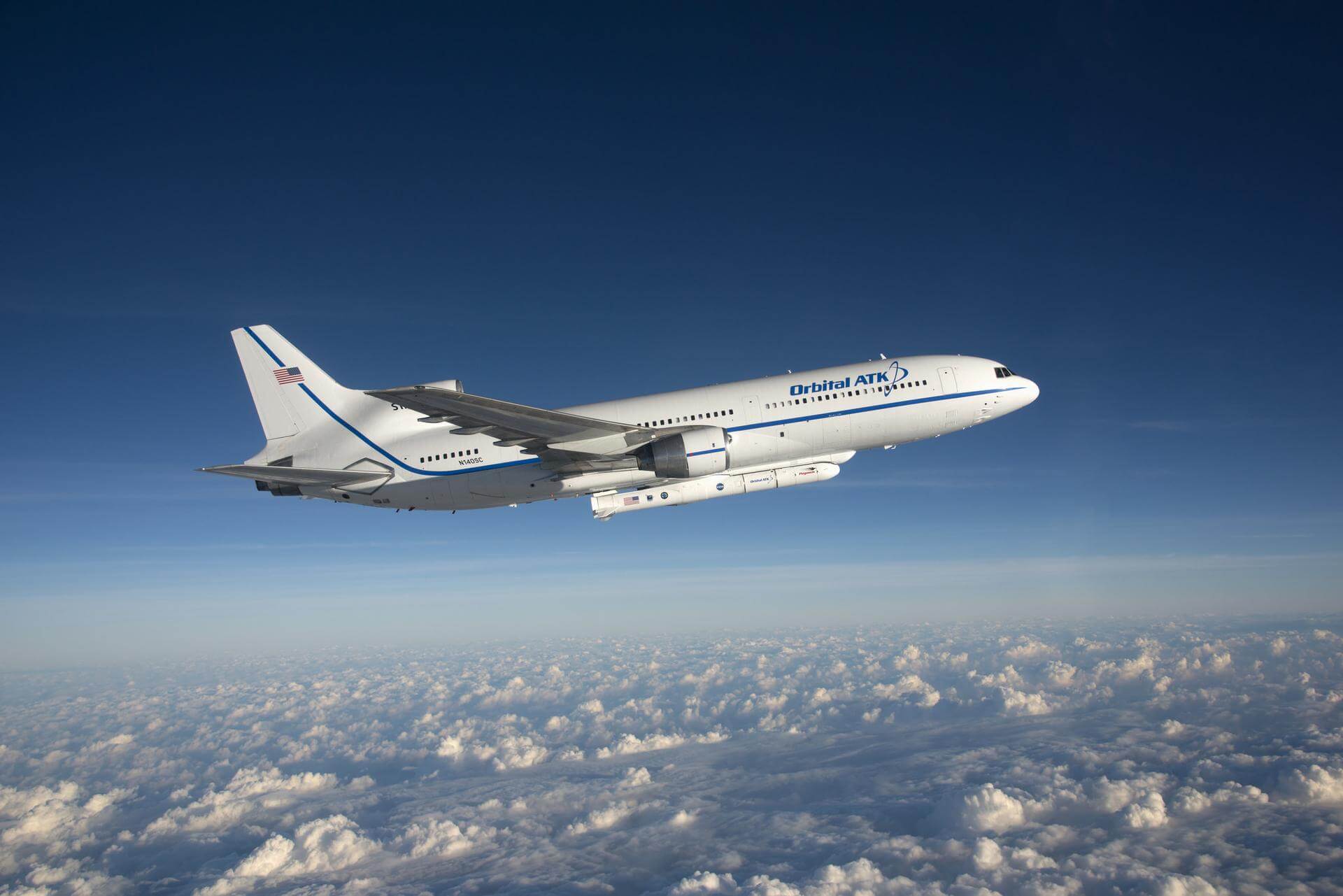
The Pegasus XL Swift Rescue Mission 2026 fires from a runway beneath an L-1011 soaring above Kwajalein Atoll. Rain holds. Clocks tick. A small spacecraft named LINK punches toward a wheezing telescope that changed gamma-ray astronomy for two decades.
We have all seen rockets promise life after death. This one keeps its promise simple. A nudge. A new lease. Data flows again.
Northrop’s oddball rocket refuses to grow up
Pegasus XL never bothered looking like its neighbors. No pad. No roar trapped inside a thick skirt. Just a belly drop, a light kick, and space opens up. It carries less weight than modern heavies but trades muscle for cunning—dropping through storms, slipping above weather, parking payloads with old-school finesse.
Northrop Grumman Space Systems has buried records and raised questions before. Here, the ledger is quieter. One bird, one shot, one contract carved out of NASA’s Small Business Innovation Research program. No grand programs. Just a rescue tethered to results.
Swift refuses to close its eyes
NASA’s Neil Gehrels Swift Observatory should be retired. It keeps waking. LINK will catch up, clamp on, and re-boost the observatory in Low Earth Orbit to extend its mission. Not a repair. Not a hand to hold. A shove—clean, calculated, reversible.
Gamma-ray bursts do not wait for paperwork. The satellite will keep staring down cosmic fireworks long after politicians move on. Kwajalein’s reef watches. A plane climbs. A door opens. Physics does the rest.