China Aerospace Science and Technology Corporation
Long March 8 Launch 2026: What We Know So Far
Target NET
5/17/2026, 2:42:00 PM
Launch Site
Commercial LC-1
Rocket Configuration
Long March 8
Live Mission Coverage
Mission Overview
China's Long March 8 is set to fly again in 2026 from Wenchang. Here's everything we know about the mission, the rocket, and why it matters.
Mission Details & Analysis
Long March 8 Launch 2026: China's Commercial Rocket Heats Up
What Hides Behind the Wenchang Countdown?
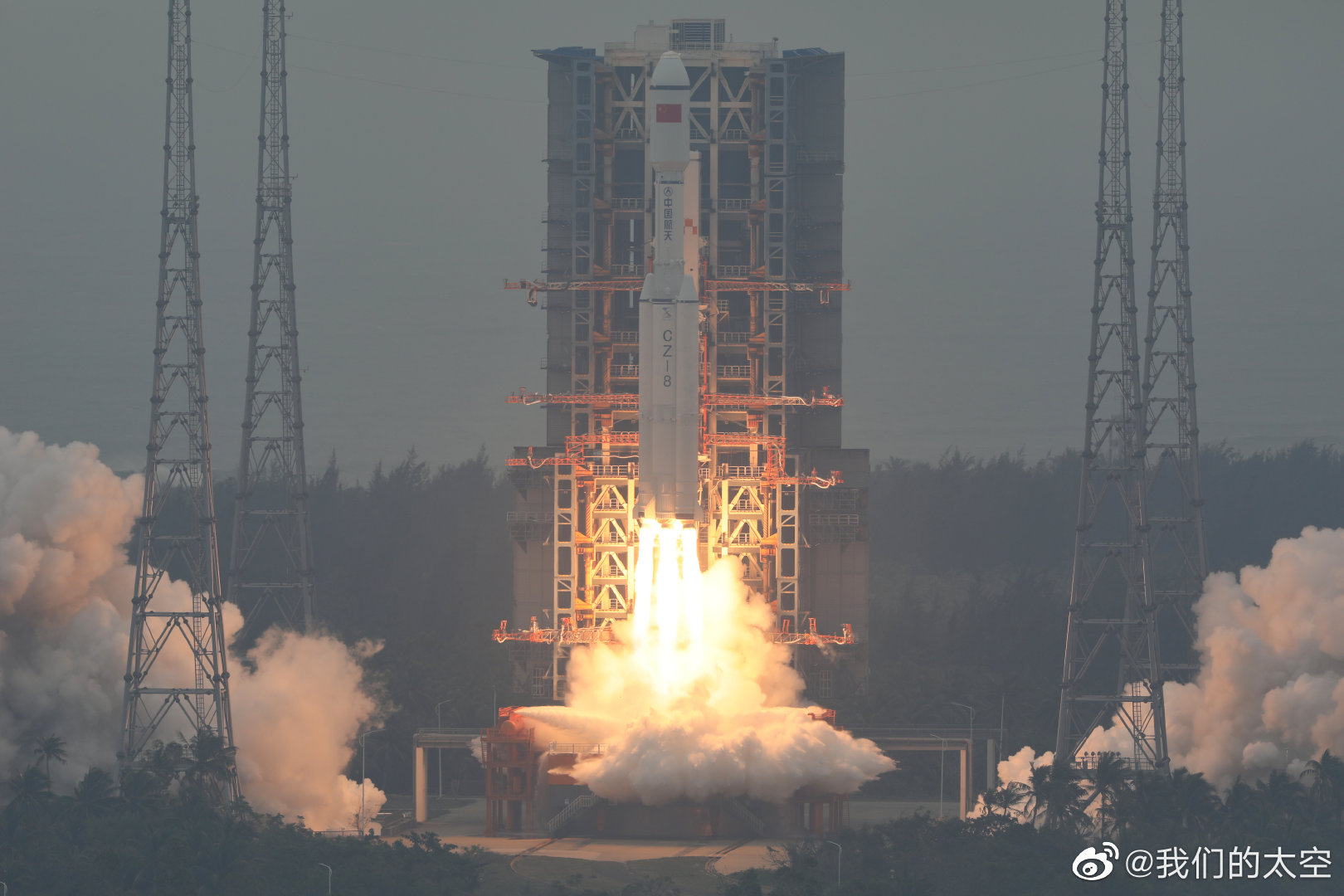
T-minus hours on Hainan Island. The coastal pads at Wenchang Space Launch Site are no stranger to thunder—this is where China lofted its space station modules, where Tianwen-1 began its seven-month trek to Mars. But on May 17, 2026, the spotlight shifts to something different: the Long March 8 launch 2026. Scheduled for 14:40 UTC from the commercial LC-1 pad, the mission carries an undisclosed payload to an undisclosed orbit. Classic Chinese space ops—mysterious until the fairing separates.
And honestly? That's part of what makes this one worth watching.
A Rocket Built for the Commercial Crowd
The Long March 8 isn't your grandfather's Chinese rocket. First launched in December 2020, it was designed from the start as a medium-lift workhorse for the commercial market—think of it as Beijing's answer to the growing demand for affordable rides to orbit. It runs on kerosene and liquid oxygen, which is a step toward reusability, and its modular architecture lets engineers swap configurations like LEGO bricks.
The core stage measures about 50 meters tall with a 3.35-meter diameter. In its two-stage configuration without strap-on boosters, it can push roughly 7.6 tonnes into a sun-synchronous orbit—enough for a solid Earth observation satellite or a cluster of smaller birds. Add boosters, and that number climbs. The propulsion setup on the first stage uses YF-100K engines, a refined variant of the workhorse engine that powers the Long March 5 and 7 family. Reliable. Proven. Boring? Never.
What makes this flight interesting is the launch site itself. Wenchang's commercial LC-1 pad signals China's deliberate push to capture a bigger slice of the global commercial launch market. CASC—the China Aerospace Science and Technology Corporation—isn't just serving government payloads anymore. They want your Earth-imaging constellation too.
Why the Secrecy—and Why It Matters
No agency description. No program details. No orbit, no payload ID. Western space trackers are already pulling their hair out trying to catalog this one. But here's the thing—this level of opacity isn't unusual for Chinese commercial missions. It's the playbook. The details will likely leak through satellite catalog entries a few days after launch, or via grainy video from fishing boats downrange.
What we can say with confidence: China's commercial launch sector is accelerating. LandSpace, Galactic Energy, iSpace—they've all grabbed headlines with small-sat orbital flights. Now CASC is flexing its commercial muscle with a vehicle that has real payload capacity. The Long March 8 was always positioned as the bridge between China's state-driven heavy lifters and the nimble new private players. If this May launch slots a customer satellite into a clean orbit, expect the phone calls from emerging space nations to flood in.
There's also the reusability angle. CASC has stated plans to develop a recoverable first stage for the Long March 8. No timeline, no details—just hints. If this mission carries any experimental guidance or landing hardware, we won't hear about it until well after splashdown. But keep your eyes on the telemetry arc after main engine cutoff. That's where the clues live.
Set your alarms. May 17 is going to be a good day for space nerds.