China Aerospace Science and Technology Corporation
Chang'e 7 Hunts Moon Ice: 2026 Leap from Wenchang
Target NET
8/24/2026, 12:00:00 AM
Launch Site
101
Rocket Configuration
Long March 5
Mission Overview
The Long March 5 Chang'e 7 launch date 2026 locks a bold hop at the lunar south pole. Orbiter, lander, hopper, and rover race for water ice before night falls.
Mission Details & Analysis
Wenchang Ignites as Pad 101 Clears
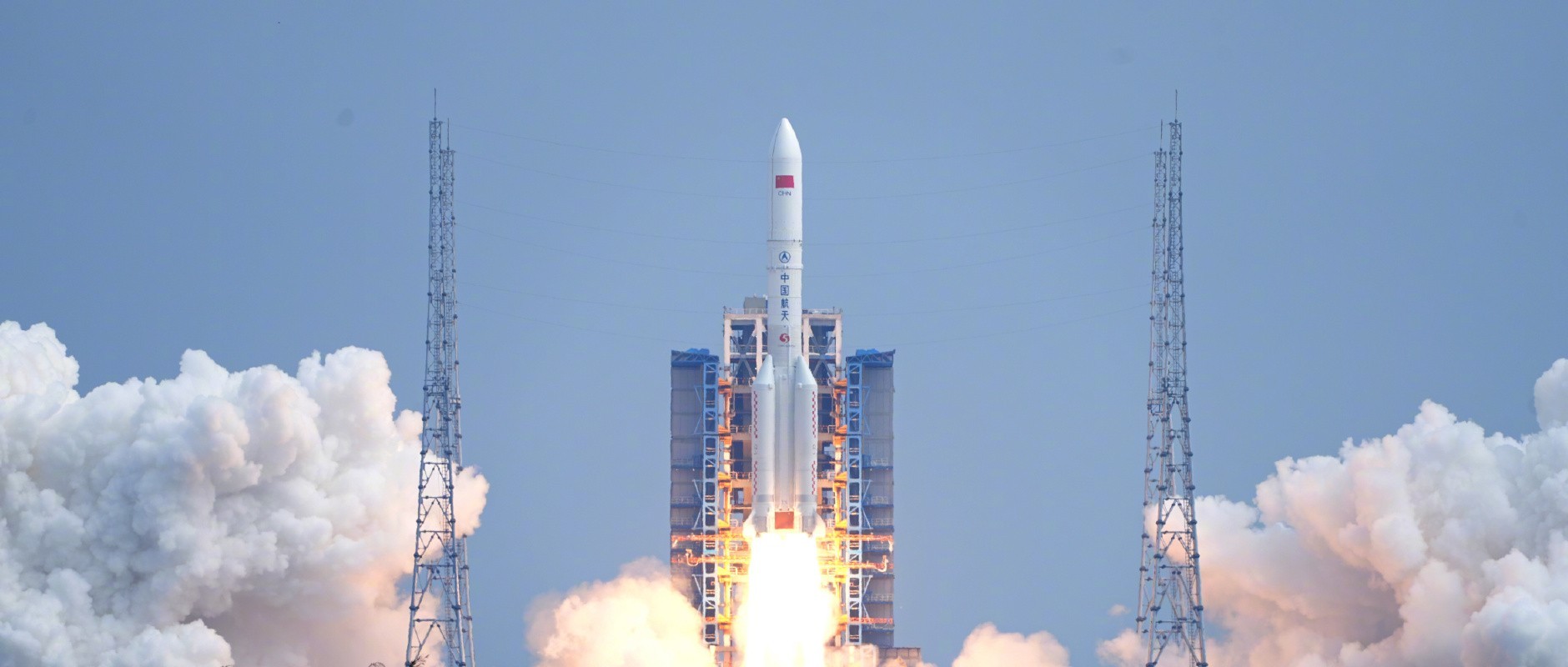
The Long March 5 Chang'e 7 launch date 2026 is set. Night winds off Hainan smell like kerosene and risk. A 5-meter core will vault China’s sharpest moon shot from this same coast that keeps gobbling side boosters and fairings into the sea. No hype. Just tanks, tubes, and tight clocks.
Chang'e 7 carries an orbiter, a lander, a mini hopper, and a rover. All aimed at the south pole. Ice hides there. Shadows keep it cold. The mission plans to sniff, scratch, and leap into dark craters to see what frost looks like up close before the sun swings back.
Long March 5 Flexes Heavy Muscle
Four strap-on boosters drink kerosene while the core gulps liquid hydrogen. It is loud, wasteful, and effective. The rocket heaves about 25 tonnes toward trans-lunar injection when everything lights in sequence. Engineers tuned this bird for stations and far-flung probes. Now it hauls ice-seeking gear to lunar orbit with margin to spare.
The CASC ledger shows gaps, not brag lists. Launches stack when the coast is calm. For this flight, forecasts show no major weather red flags. If the core performs like prior heavies, separation and cruise will feel almost polite after the boosters peel away.
South Pole Darkness Beckons
Touchdown aims for slopes that never see full sun. Instruments will map cold traps while the hopper arcs between craters like a stone skipped on black glass. The rover will grind into soil and taste for water. One whiff of frost changes the economics of staying on the moon. The lander must keep heaters alive through long nights that stretch for weeks.
Orbiters will scan from above to guide the ground team through boulder fields. This is not a flag stunt. It is a methodical scrape at a resource that could keep boots down later. Data will dribble home as power allows—slow, steady, and sharp.