China Aerospace Science and Technology Corporation
China’s Quiet Orbiter Aims at Invisible Air
Target NET
4/17/2026, 4:10:00 AM
Launch Site
Launch Area 94 (SLS-2 / 603)
Rocket Configuration
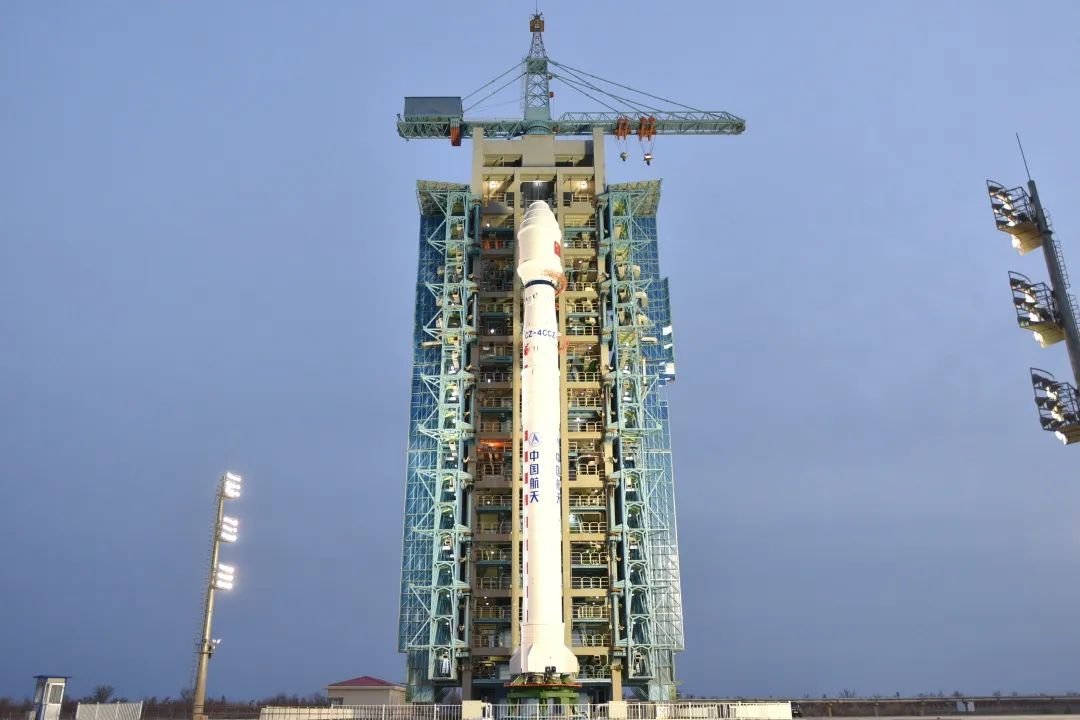
Long March 4C
Mission Overview
The Long March 4C Daqi-2 launch 2026 slips out of Jiuquan to sniff greenhouse threads above our heads. No fanfare. Just data and dust.
Mission Details & Analysis
Pad 94 Waits in Cold Desert Silence
T-minus hours. Fuel beads like dark sweat on steel. The Long March 4C Daqi-2 launch 2026 ticks past final checks while wind combs the Gobi into smooth lies. Nobody claps here. They do not need to.
Orbits do not forgive. AEMS must catch aerosol secrets and carbon ghosts sliding through sun-synchronous arcs. If the burn tilts by a breath, the data rots.
Long March 4C Plays the Trust Game
CASC hides bragging. The rocket’s record is a quiet ledger of repeated yes. Upper stage relights like a cat in a hallway—precise, unsentimental. Guidance trades flash for finesse, threading space with math that ignores weather tantrums.
Daqi-2 follows GF-5’s footsteps but sees sharper. It wants slices of atmosphere thin enough to bruise theory. The mission’s only noise is photons returning, rearranged into warning.
Launch Area 94 Keeps Old Receipts
Jiuquan’s SLS-2 pad remembers cold starts and fast climbs. Rail scars age into lessons. At 603, crews stack stages beneath plastic tents while dust mocks concrete. This base does not do ceremonies—only countdowns that taste like iron.
Sun-synchronous paths demand spiteful punctuality. The rocket will haul Daqi-2 uphill against Earth’s spin, then let orbit do the heavy teaching. Science prefers it that way. So do the accountants.