China Aerospace Science and Technology Corporation
China Quietly Loads Four SatNet Birds for Spring Launch
Target NET
4/24/2026, 6:35:00 AM
Launch Site
Launch Complex 3 (LC-3/LA-1)
Rocket Configuration
Long March 2D
Mission Overview
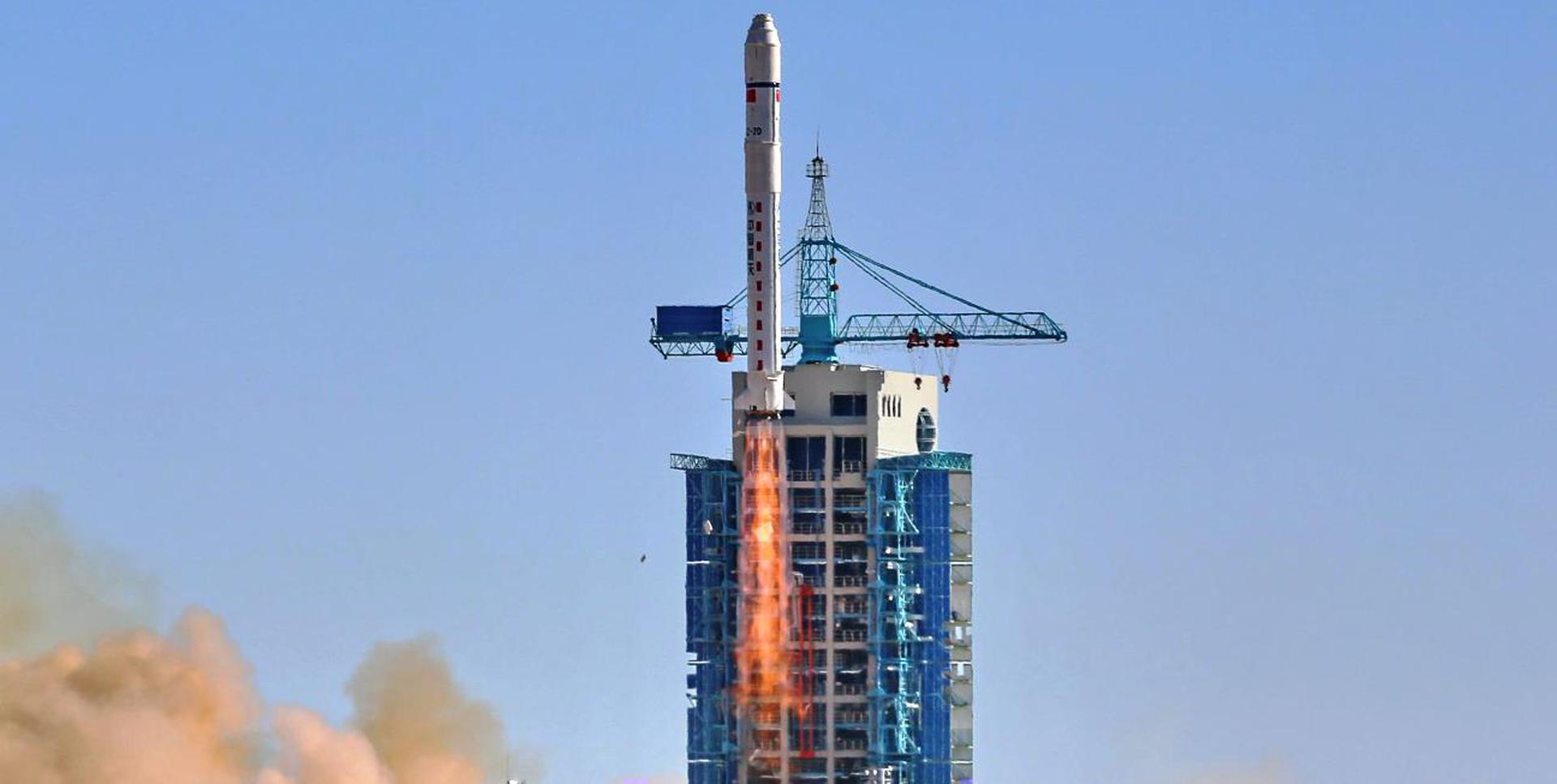
The Long March 2D SatNet test satellites 2026 slip into Xichang targeting late April. Raw power, low orbit, and no PR noise. Watch the sky flex.
Mission Details & Analysis
LA-1 Shudders While Beijing Sleeps
The pad breathes. 06:35 UTC glows on the clock. Long March 2D SatNet test satellites 2026 wait inside—four blunt bodies built to own airspace nobody advertises. There is no speech. Only hydraulics.
Xichang hates fanfare. It offers torque instead—throat-rich acceleration that tilts east off the hills and hunts a low arc. The rocket knows the script. It always does.
Long March 2D Eats Simplicity for Breakfast
Two stages. Hypergolics. A record that refuses to brag. The Long March family keeps this workhorse on short rations: no side boosters, no theater. Just enough thrust to drop mass clean into LEO and vanish before radar lingers.
CASC treats reliability like oxygen—boring, mandatory, invisible. We see the geometry: compact fairing, stumpy profile, an upper stage that lingers only long enough to park four communications prototypes in sloppy daylight orbits. It is not glamorous. It is decisive.
LC-3 Trades Crowds for Concrete
Launch Complex 3 keeps its own counsel down south—mountains to swallow noise, monsoon winds to forgive mistakes. The rail here favors surprise and low-inclination escapes, ideal if you want to test beams without inviting analysts to tea.
Weather folds. Clocks hold. These SatNet birds will whisper upward, spin out their antennas, and pretend they are not state-owned at all. Signals leak. Power climbs. The East learns another frequency by doing rather than declaring.