China Aerospace Science and Technology Corporation
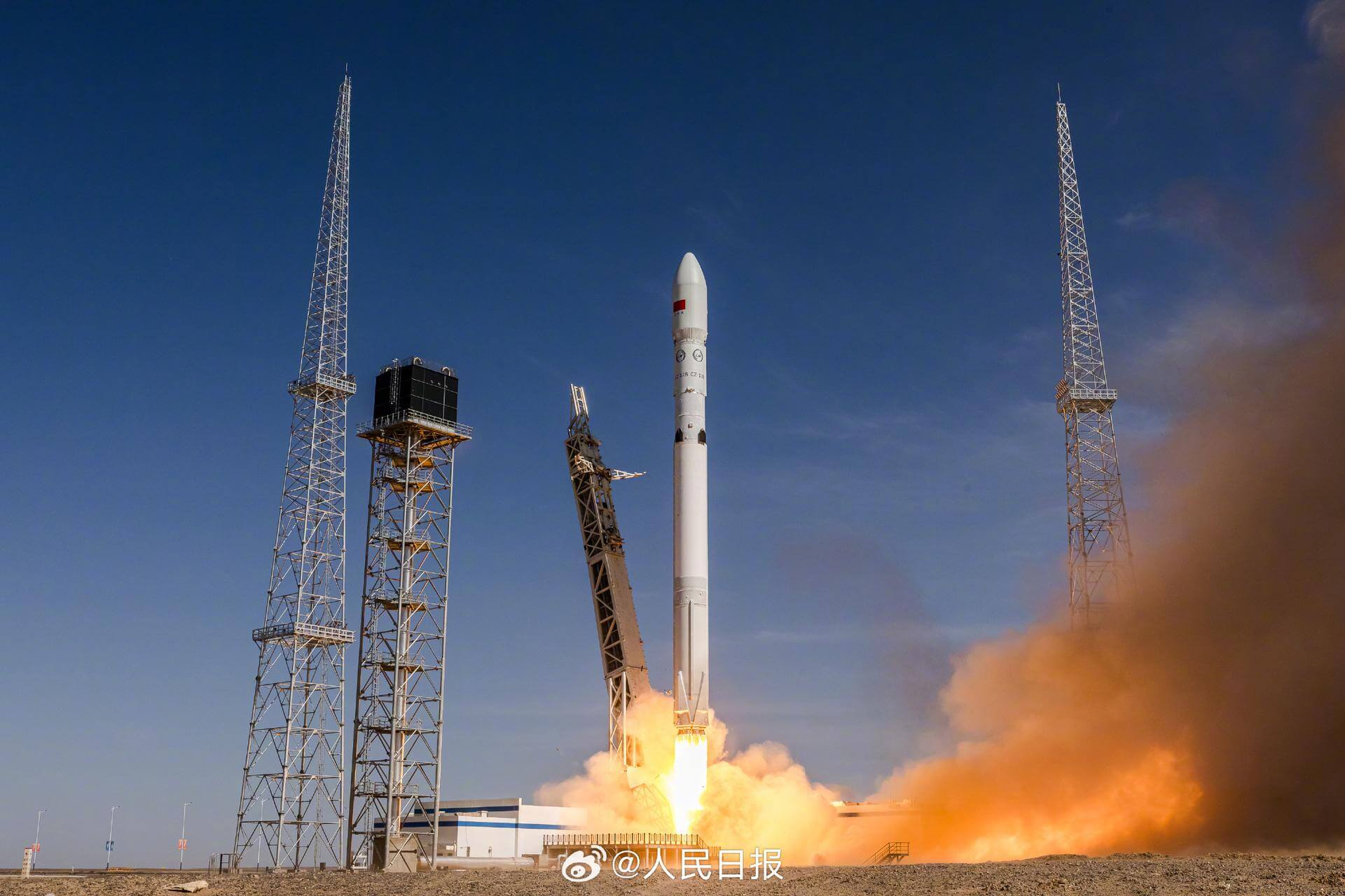
Long March 12B Ignites at Jiuquan in 2026 Demo Flight
Target NET
6/1/2026, 8:40:00 AM
Launch Site
Long March 12 series Pad
Rocket Configuration
Long March 12B
Mission Overview
China ramps up its orbital tempo with the Long March 12B demo flight 2026. Raw power meets Jiuquan secrecy in CASC’s newest thunderclap.
Mission Details & Analysis
Jiuquan Hums as Midnight Nears
The Long March 12B demo flight 2026 is no spreadsheet rumor. Fuel chills. Clamps release. A desert wind carries burnt kerosene and ambition across the Gobi. CASC wants proof, not promises. Seconds bleed into zero.
We have seen these pads cough and roar before. This time the 12B variant tightens the bolt count and lightens the spine. It flies alone. No passengers. No mercy.
12B Forged for Raw Utility
CASC stripped heritage plumbing and grafted newer turbopumps onto a shorter stack. The Long March family tree keeps branching—but here the engineers whisper about thrust-to-weight and cadence. They want more flights from fewer scars. Cryo lines now sit flush. Fairing hinges feel like bank vault doors. It is a machine built for tempo, not tourism.
Every prior Jiuquan sortie taught them how desert heat loves to blister seals. Lessons arrive in scorched alloy. The 12B wears countermeasures under paint. Nobody advertises fixes. They fly.
Desert Rules, Orbit Rewards
Jiuquan keeps its own clock. Launch loops favor secrecy and horizon clearance. The pad layout lets flame trenches swallow noise before cameras do. When the 12B climbs, it punches through a corridor honed by decades of hushed ascents. Telemetry flickers. Stages howl. Coast phases feel like breath held too long.
Orbit type remains classified—this is a test flight, after all. But the numbers in the walls suggest capacity for tidy sun-sync or snappy inclinations. First flights lie often. Data corrects them. In 2026, the desert will again keep counsel while the sky fills with fresh math.