Mitsubishi Heavy Industries
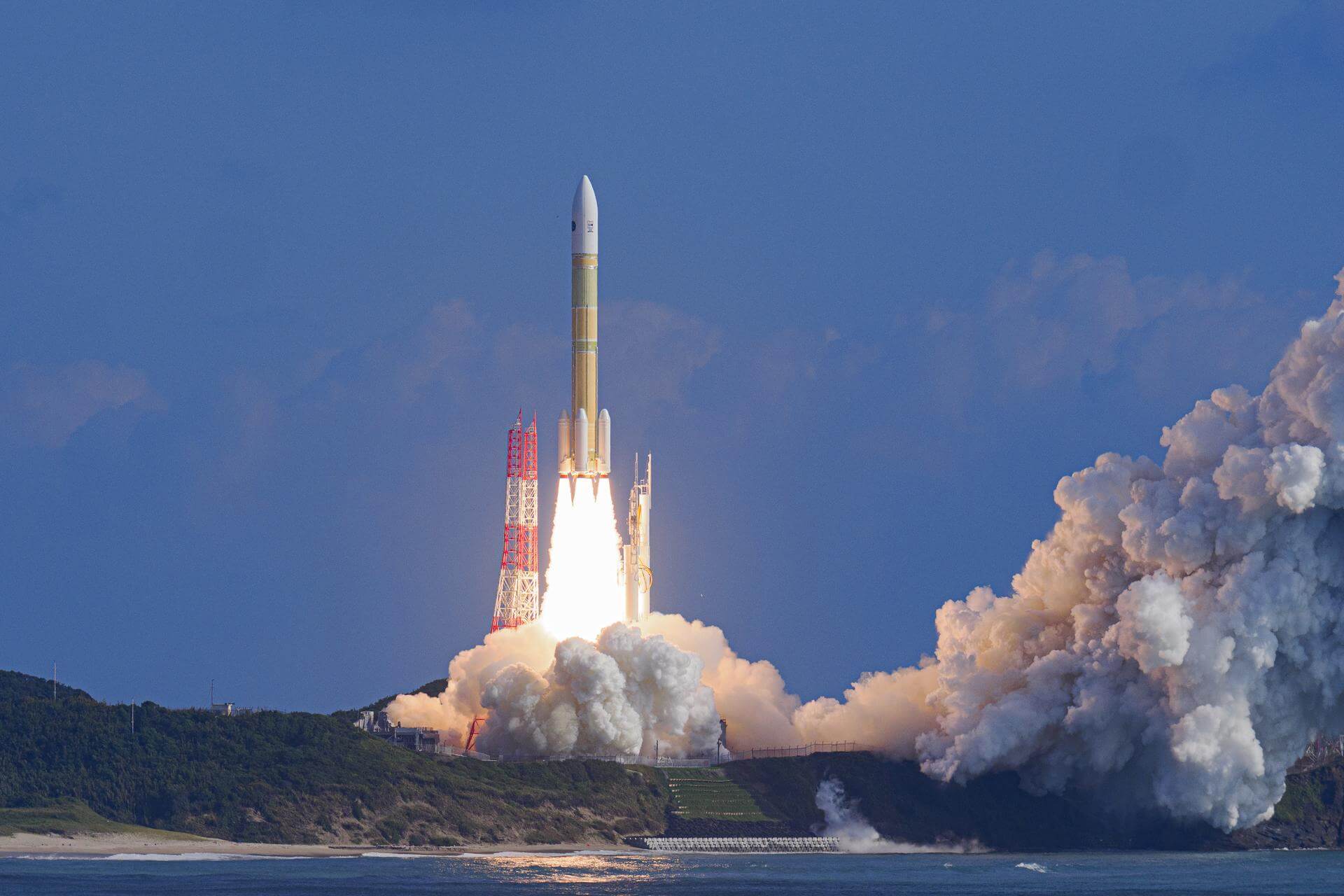
Japan's H3-24 HTV-X2 Ignites Tanegashima Night
Target NET
12/31/2026, 12:00:00 AM
Launch Site
Yoshinobu Launch Complex LP-2
Rocket Configuration
H3-24
Mission Overview
Watch Yoshinobu roar as the H3-24 HTV-X2 launch date 2026 nears. Second HTV-X liftoff sharpens Japan's ISS supply game with raw power and precision.
Mission Details & Analysis
Yoshinobu Holds Its Breath at LP-2
Countdown ticks through humid Pacific air. The H3-24 HTV-X2 launch date 2026 draws near and Tanegashima trembles with possibility. Second flight of Japan's upgraded cargo ship aims to stitch fresh freight into ISS ribs before summer ends.
No margin for theater. Only fuel, fiber, and flawless sequencing.
H3-24 Tames the Balance Between Brains and Brawn
Mitsubishi Heavy Industries bet big on cleaner architecture and fewer stages. The H3 family sheds dead weight to lift more with less—and LP-2 has seen worse gambles turn into signatures. LE-9 engines breathe fire with expander bleed cycles that sound like turbines whispering secrets.
Previous variants learned by bruising metal. This one chooses finesse—tighter thrust curves, smarter avionics, and a cargo bay tuned for late-night berthing drama.
ISS Supply Lines Run on Risk and Timing
Sixteen nations haggle over bolts and bandwidth while the station hangs in perpetual freefall. HTV-X2 is not just another box of groceries—it is insurance against schedule slips and political spasms. Weather whispers nothing dangerous, but space never promises calm.
July 31 feels close enough to taste. Far enough to respect.