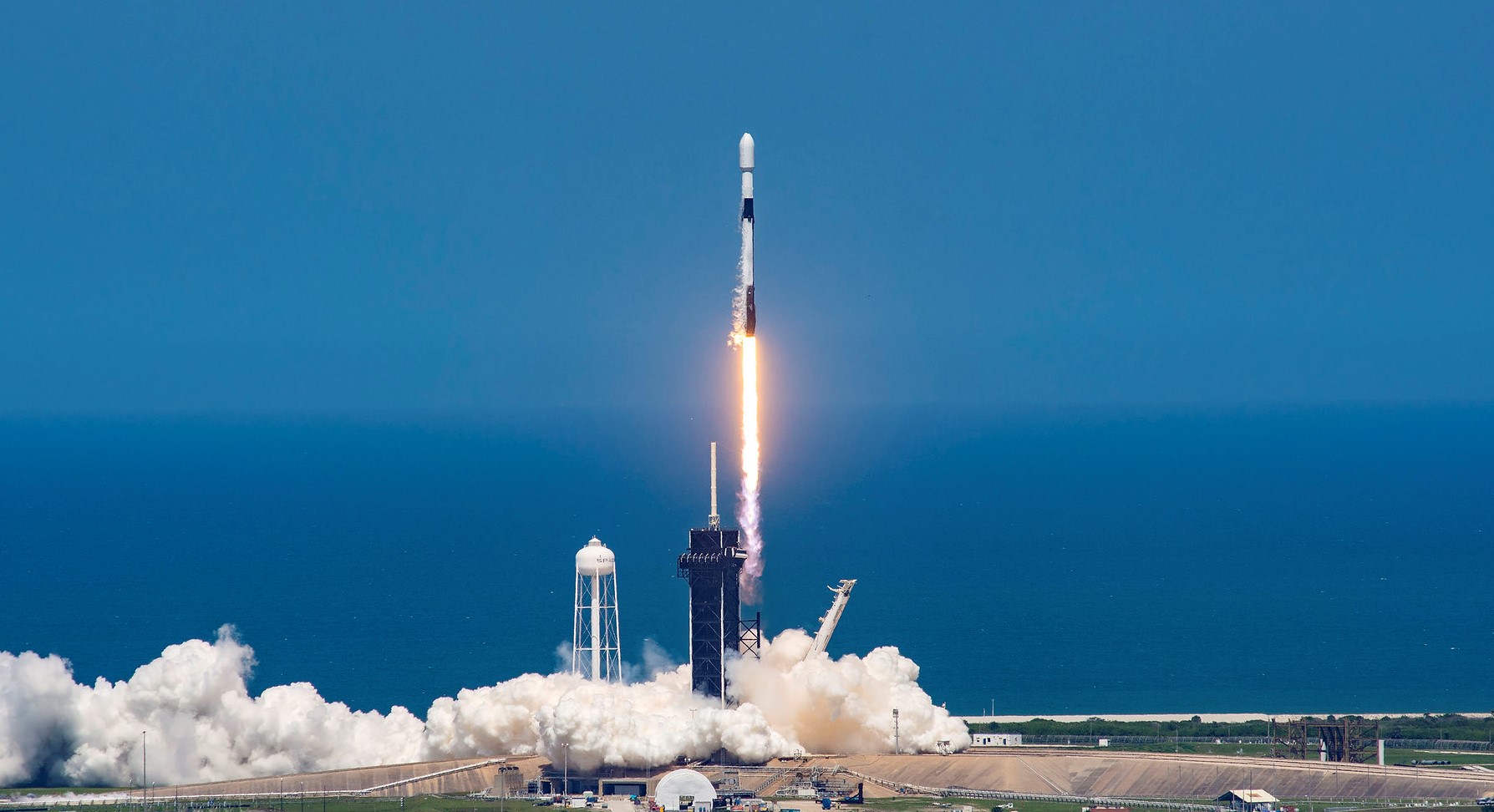
Vandenberg Pad 4E Eats Dusk and Glows
Countdown ticks in a low, angry hum. The Falcon 9 SDA Tranche 1 Transport Layer F launch targets 2026-06-30 from Space Launch Complex 4E, Vandenberg SFB, CA, USA. No speeches. No fanfare. Just cryo breathing through steel and miles of range silence. The rocket stands ready to fire classified mass into a polar orbit on behalf of the Space Development Agency—sharp, black, and invisible to most eyes.
Six missions under this architecture. This one is F. Weather is bored. The pad has seen fire before and learned to hold it. By nightfall another stack of military data nodes will slip the leash and knit a mesh tighter than copper dreams.
Block 5’s Teeth and the SDA’s Ledger
Falcon 9 Block 5 belongs to the Falcon family like a scalpel belongs to a field hospital. SpaceX keeps the manifest quiet and the metrics sharper. The agency rarely brags. It procures, flies, repeats. Vandenberg’s western slope gives rockets a straight shot south, curving over oceans so secrets don’t linger over cities. The booster likely returns to drones or ditches hot—details withheld, pride intact.
This lane favors ruthless efficiency. Steel, software, and split-second timing. Nothing decorative survives here. The stack will carry Tranche 1 Transport Layer birds meant to weave a web of optical beams across low Earth orbit while the rest of us sleep.
Optical Mesh and Warfighter Bandwidth
Once deployed, these satellites will converse with lasers. Optical Inter-Satellite Links replace older radio whispers with blade-light threads that refuse to break. Ka band traffic flows stereo, dynamically routed, fault-tolerant. Hand-offs happen in microseconds. Latency dies. Resilience hardens.
The Proliferated Warfighter Space Architecture does not want applause. It wants lanes that stay open when grids blink. A polar web stitched tight enough to ferry command and control through storms, jamming, and luck. By morning the Falcon will be ash or artifact. The network will already be learning how to live without it.