SpaceX
Spy Satellites Hide in Polar Night on This Falcon 9 Flight
Target NET
9/30/2026, 12:00:00 AM
Launch Site
Space Launch Complex 4E
Rocket Configuration
Falcon 9 Block 5
Mission Overview
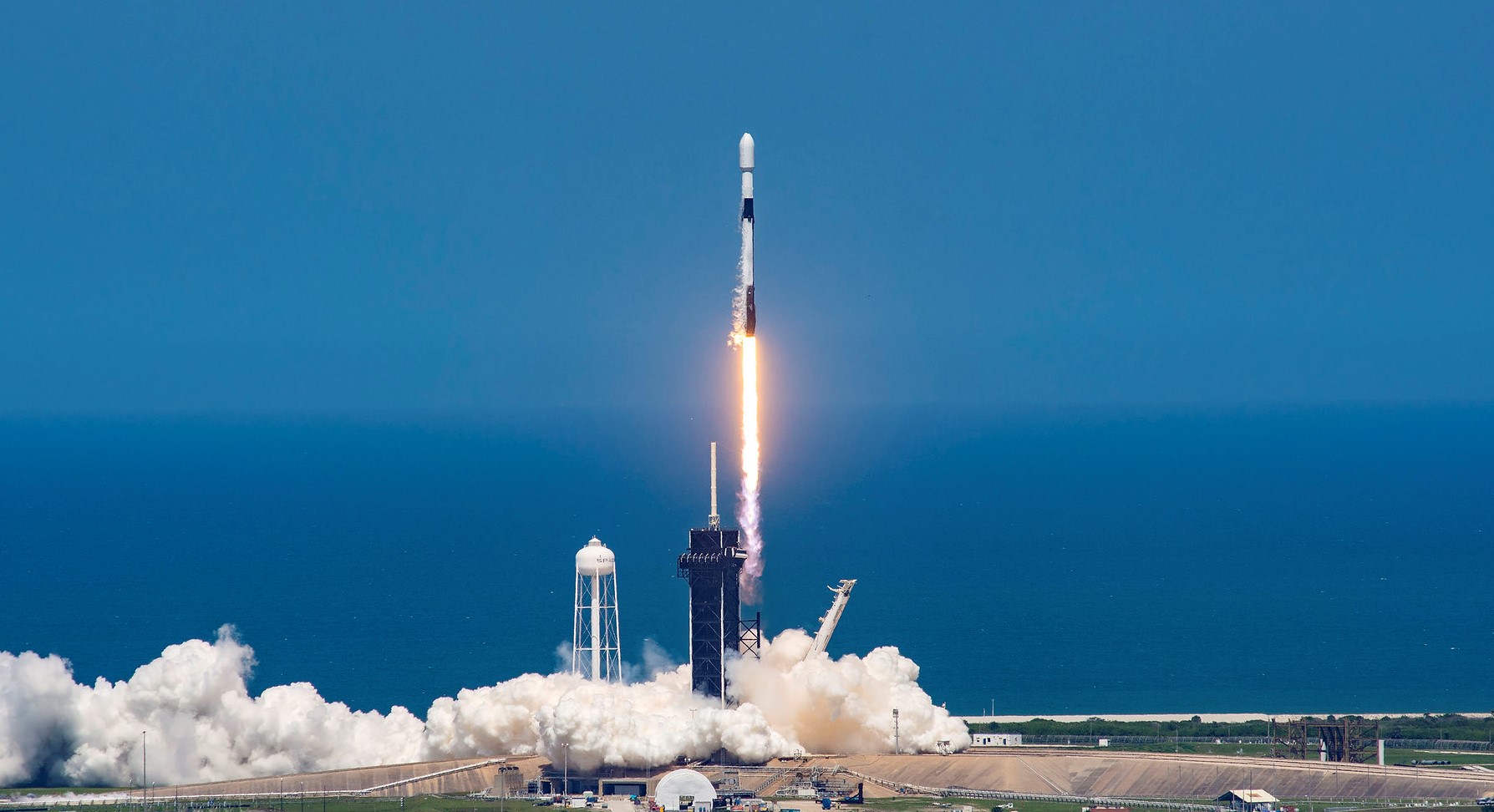
A silent Falcon 9 Block 5 SDA Tranche 1 Tracking Layer E launch lifts off Vandenberg’s spine to hunt hypersonic ghosts across polar silence.
Mission Details & Analysis
Vandenberg Pad 4E Eats Sea Fog and Smiles
T-minus hours. Salt stings. The Falcon 9 Block 5 SDA Tranche 1 Tracking Layer E launch glints under work lights while fog claws at the pad like a jealous ghost. Concrete remembers every prior roar here—throat-choking ignition, shockwaves that knock lenses crooked, and then the hush when the rocket chooses sky over earth.
No cameras will catch everything. Some missions prefer the dark. This one prefers polar angles where daylight never lingers and missiles think they are invisible.
Block 5 Flies Angry but Polite
Falcon 9 Block 5 trims weight like a thief trimming seconds. Octaweb pulsing. Cold gas thrusters snapping fins into place before the pitch. It is a machine that learned from every scorched leg and salty landing. Reusability is not a miracle here—it is routine arrogance. The rocket will burn, pivot, and forget the ocean it left behind.
SpaceX does not brag about flawless records. It just keeps the pad warm. This flight does not need fanfare. It needs trajectory that hugs the terminator line.
Polar Orbit Forgets the Equator Entirely
South becomes north without saying goodbye. The Tranche 1 Tracking Layer peels away from the stack and slips into a path that never forgives mistakes. Hypersonic threats glow in infrared against cloud tops. Satellites will watch. They have to. The Space Development Agency treats warfighter space like plumbing—ugly, essential, and invisible until it stops working.
Ground tracks cross the same latitudes again and again. The planet rotates. The constellation stays mean and methodical. No weather big enough to scrub this timeline. Just fuel, fins, and a silence that arrives after the light breaks.