SpaceX
Rivada 9 Rides a Midnight Falcon Toward Polar Mesh
Target NET
12/31/2026, 12:00:00 AM
Launch Site
Space Launch Complex 4E
Rocket Configuration
Falcon 9 Block 5
Mission Overview
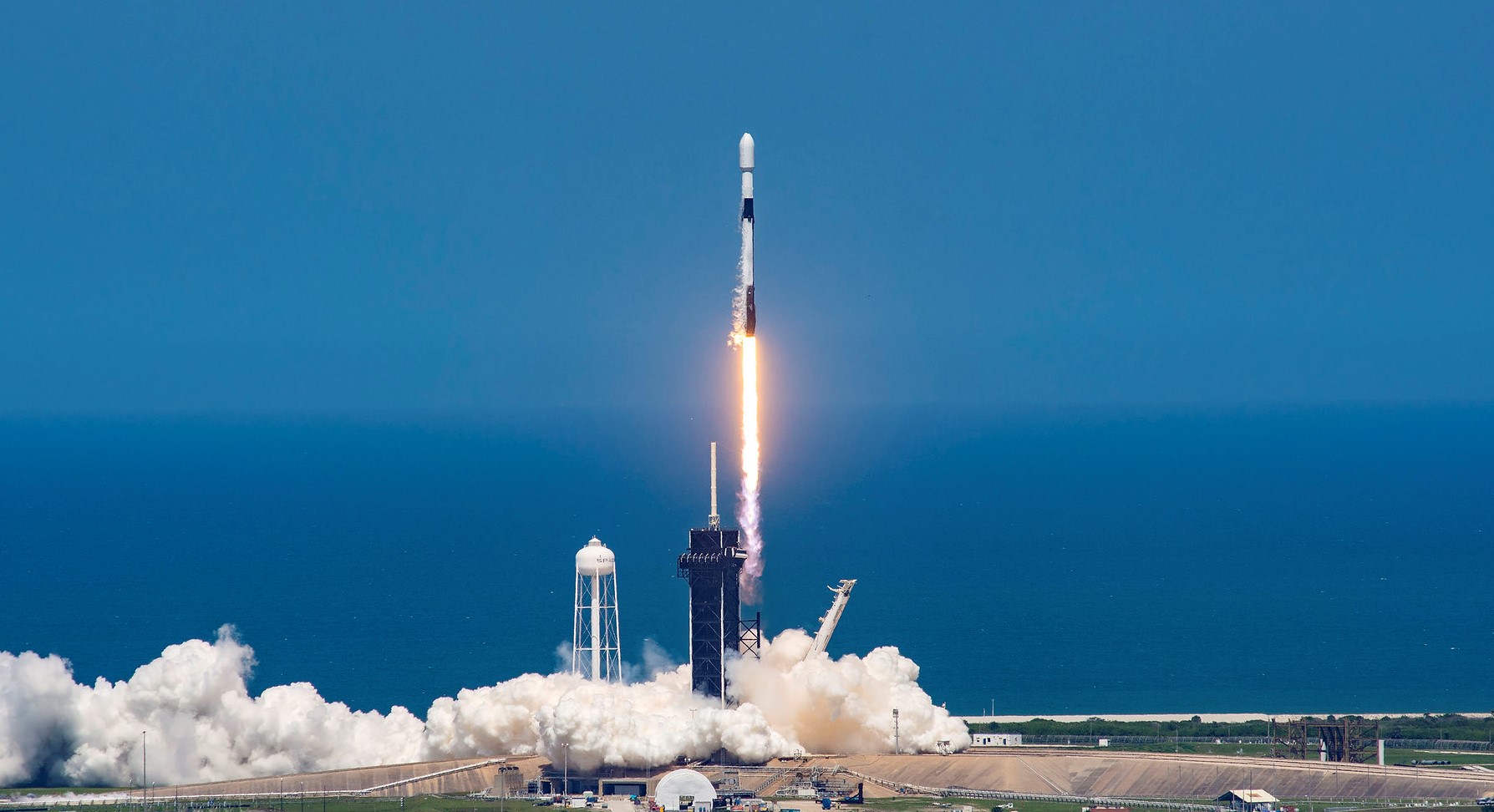
Falcon 9 Block 5 Rivada 9 launch date hits 30 June 2026 from Vandenberg. 24 laser-linked birds slice polar orbit to ignite Rivada’s global mesh.
Mission Details & Analysis
Vandenberg Pad 4E Drinks Midnight Fog
The clock bleeds toward zero. Falcon 9 Block 5 Rivada 9 launch date arrives 30 June 2026 under hushed skies at Space Launch Complex 4E. No drama. No fanfare. Just cold propellant and 24 satellites begging for vacuum. When the first engine staggers awake, the California coast will feel it in the teeth.
Rivada Space Networks never asked permission to swallow the sky. Six hundred laser-threaded nodes promise one seamless web over every ocean and city. This batch of 24 is the vanguard. Polar orbit. Sharp inclination. A scalpel cutting through crowded shells.
Block 5 Knows How to Keep Secrets
Falcon 9 Block 5 balances heritage with ruthless optimization. Titanium grid fins. Octaweb heartbeat. A booster lineage that treats refurbishment like gossip—brief, polished, forgotten. SpaceX prefers silence over press releases. The numbers do the talking. Reusability is baseline, not flex. For Rivada 9, the side hustle is precision: a dog-leg ascent threading polar corridors without apology.
Vandenberg SFB has long been the quiet assassin of orbit. Salt air, cliff edges, and corridors cleared for sun-synchronous errands. Complex 4E hosted heavies and sharp angles alike. Tonight it offers a clean pad, cold cameras, and an FAA weather nod. No theatrics. Just physics dressed in flame.
Mesh Grows Teeth Over the Poles
Communication constellations used to flatter the equator. Rivada scoffs. These 24 birds hug polar paths so lasers can stitch traffic across hemispheres while legacy beams nap. Crosslinks burn fainter than starlight but carry louder than cables. Users in Oslo and Punta Arenas will share the same millisecond—no ground-hop lag, no peering tax.
Independent missions hide in plain sight. No government anchor. No anchor at all. Just capital, carbon, and cold ambition. Countdown hits zero. The rocket leans into darkness. Rivada’s sky opens.