SpaceX
Rivada 10 Looms. Falcon 9 Aims for June 2026 Over Vandenberg.
Target NET
12/31/2026, 12:00:00 AM
Launch Site
Space Launch Complex 4E
Rocket Configuration
Falcon 9 Block 5
Mission Overview
The Falcon 9 Block 5 Rivada 10 launch date 2026 edges closer as 24 laser-linked satellites prepare for polar orbit from Vandenberg. Countdown grit starts now.
Mission Details & Analysis
Vandenberg Pad 4E Hums at Midnight
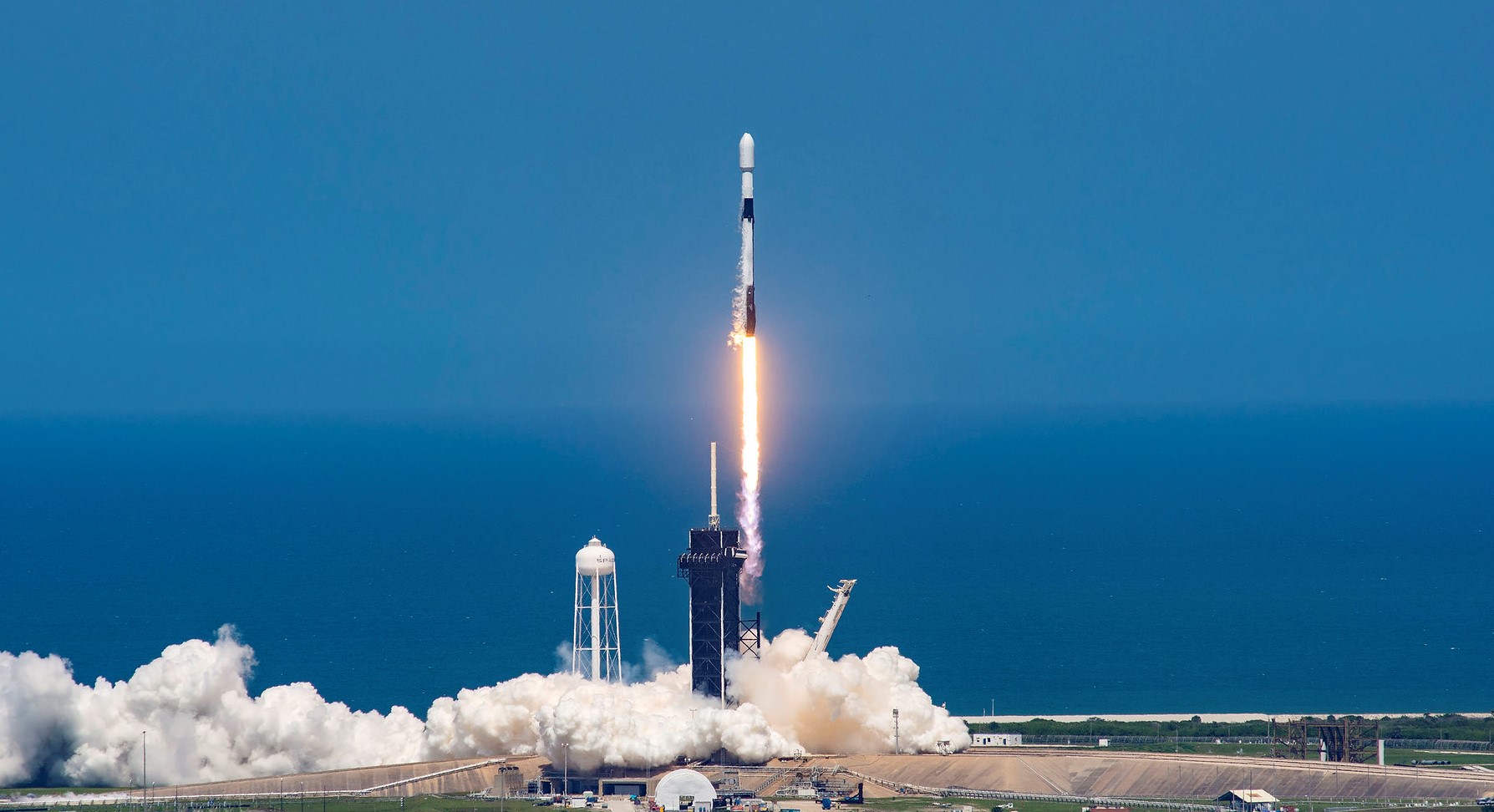
T-minus breath. Fuel lines hiss. The Falcon 9 Block 5 Rivada 10 launch date 2026 is locked for 30 June, and this coastline smells like risk and propellant. Pacific fog parts just enough for rockets to cheat gravity.
Twenty-four birds wait inside the fairing—cold, precise, hungry for polar orbit. No margin for ego here. Only trajectories and thunder.
Block 5 Refinements Bite Harder
SpaceX runs Block 5 like a scalpel. Titanium grid fins. Triple-redundant computers. Engines throttled to whisper before punching through Max-Q. Reusability is boring now—routine, cheap, relentless. This booster will likely fly again, laughing at amortization tables.
Rivada’s mesh gambit depends on laser links stitching 600 satellites into one unbreakable web. Latency dies. Geography loses. The math is arrogant and beautiful.
Polar Shots from the California Rim
Launch Complex 4E at Vandenberg SFB keeps tilting orbits over Earth’s poles. It’s a backdoor to coverage nobody else serves well. DoD ghosts and telecom pragmatists both bow to this pad’s geometry.
Weather is calm for now—too calm. June marine layers love second-guessing countdowns. Teams memorize scrub drills like prayers. If the Falcon climbs clean, Rivada’s first tranche proves that private money can out-maneuver legacy constellations without fanfare or apologies.