SpaceX
NROL-172 Rides Falcon 9 Into Night. Eyes Above Never Blink.
Target NET
5/12/2026, 2:13:50 AM
Launch Site
Space Launch Complex 4E
Rocket Configuration
Falcon 9 Block 5
Live Mission Coverage
Mission Overview
Falcon 9 Block 5 NROL-172 launch date looms as SpaceX slips another ghost bird into orbit for the NRO. Secrets take flight on 12 May 2026 at Vandenberg.
Mission Details & Analysis
Vandenberg Pad 4E Drinks Night Coolant
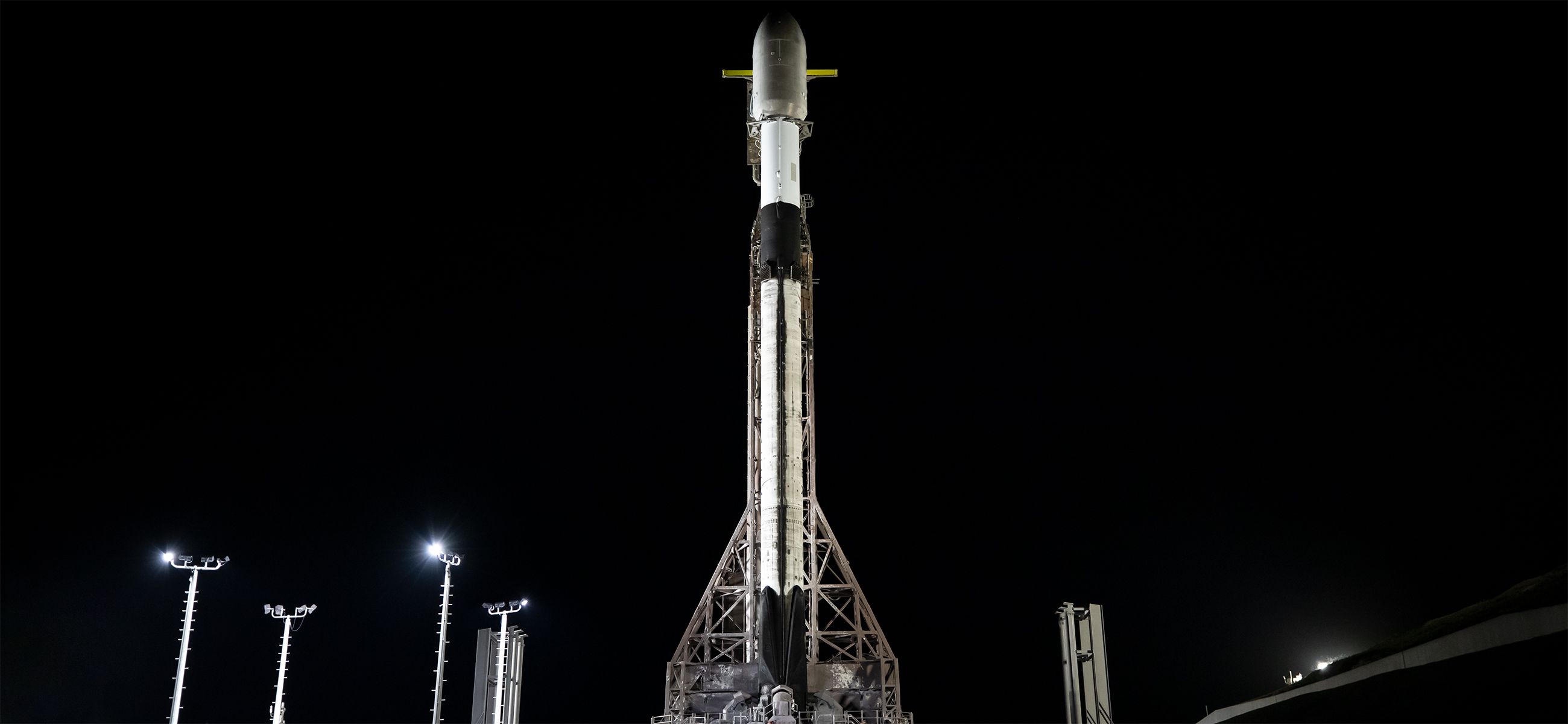
The clock swallows sound. Falcon 9 Block 5 NROL-172 launch date arrives 12 May 2026 at 22:15 UTC. Vandenberg’s Space Launch Complex 4E hardens against salt fog while Block 5 warms its veins—nine Merlins thirsty for secrecy. No banner. No speech. Just oxidizer biting aluminum.
Thirteenth jump for a constellation that refuses to leak. Northrop welded shadows. SpaceX drives them to altitude. The NRO collects photons and whispers like a bank vault closing. We stand too close to the perimeter and feel compression before we hear flight.
Block 5 Has No Memory of Failure
Falcon 9 Block 5 trims mass like a blade. Titanium grid fins carve arcs without apology. Autonomous flight safety waits to kill the rocket if it dreams of escape. Reusability is theater until it is math—landing legs vanish into paperwork and soot. The family line (Falcon) keeps its habits: brute first-stage shove, upper-stage finesse, blackout then bloom.
The NRO does not brag. It files. SIGINT slips to NSA. IMINT bleeds into NGA desks. MASINT finds DIA maps. This bird services all of them without leaving a return address. Ground track hides behind clouds. Pacific corridor holds its breath.
West Coast Night Launches Steal Color
Launching into unknown orbit means the payload writes its own rules. Sun-synchronous drift or molniya slant—guessing insults geometry. Vandenberg’s polar appetite favors trajectories that skim terminators so cameras feast on terminator glint. Flames turn marine layer into bruise purple. Shock diamonds rattle camera glass miles away.
Status reads green but weather laughs last. Upper-level winds toy with commit criteria while tick drains toward that 22:15 slot. If Falcon climbs clean, the fairing halves will ditch like spent promises and the NRO will own another blind spot above cities that never sleep. We watch. They vanish.