SpaceX
SpaceX Crew-13: The September 2026 Launch Breakdown
Target NET
9/30/2026, 12:00:00 AM
Launch Site
Space Launch Complex 40
Rocket Configuration
Falcon 9 Block 5
Mission Overview
SpaceX Crew-13 Falcon 9 launch date 2026: everything you need to know about the next Commercial Crew rotation to the ISS from Cape Canaveral's historic SLC-40 pad.
Mission Details & Analysis
Falcon 9 Block 5: The Workhorse Gets Another Assignment
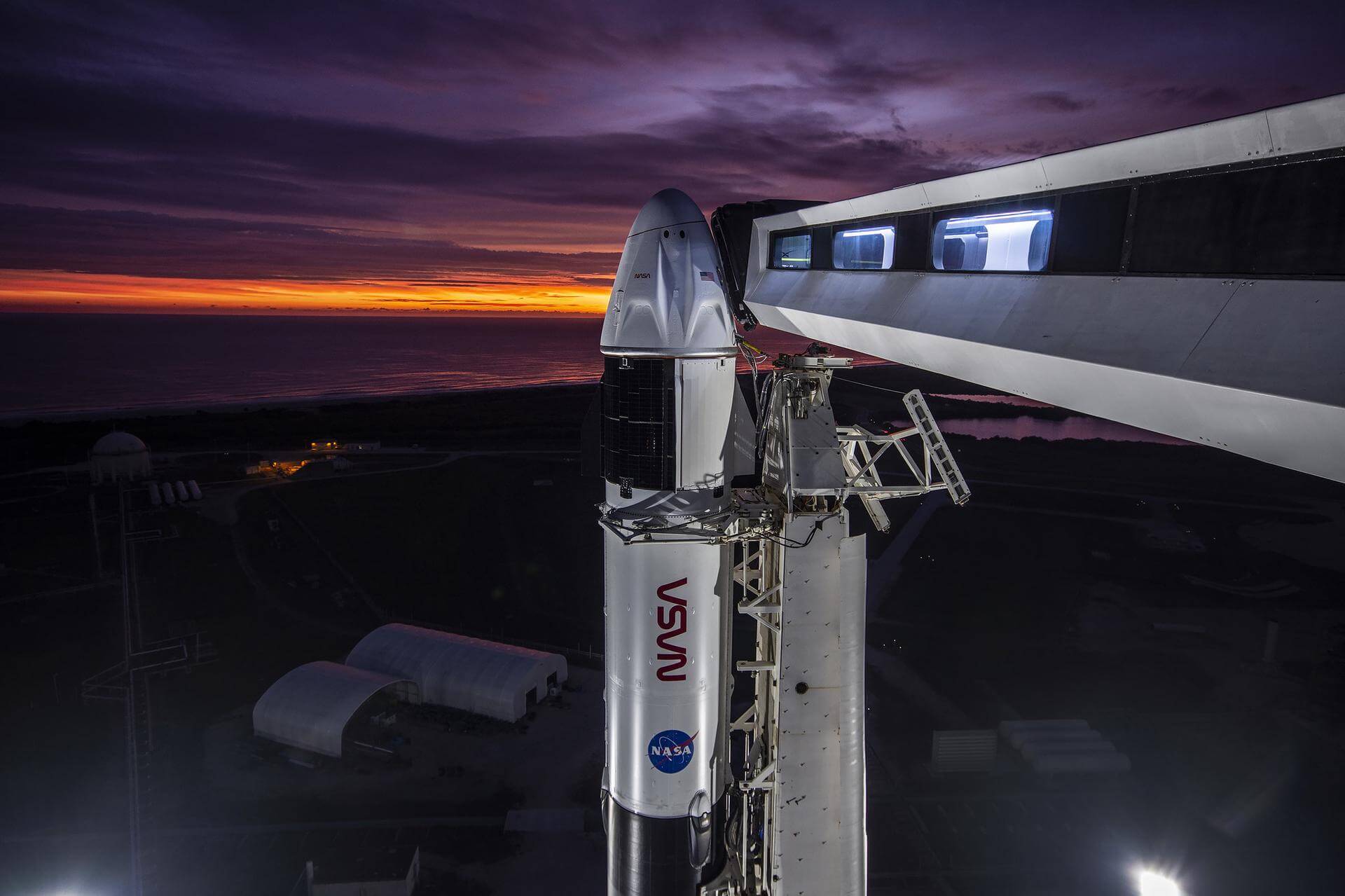
Two stages. Nine Merlin engines. A million pounds of thrust at liftoff. The Falcon 9 Block 5 isn't just a rocket—it's a rhythm. SpaceX has launched this variant so many times from Space Launch Complex 40 at Cape Canaveral that the pad practically hums when a booster rolls out. And now it's gearing up for another crewed mission: SpaceX Crew-13, targeting September 30, 2026.
That's a Wednesday night window. The kind of launch time that tells you NASA trusts this vehicle enough to fly humans on a schedule that doesn't cater to prime-time television. The Block 5 variant—SpaceX's most refined iteration—features upgraded heat shielding, a more powerful thrust profile, and a design philosophy built around rapid reusability. Each booster is certified for up to 10 flights with minimal refurbishment. That's not aspirational. It's already happened.
Cape Canaveral's SLC-40: A Pad With a Second Life
Launch Complex 40 has had a rough biography. It was a Titan IV pad for decades—then the AMOS-6 anomaly in 2016 reduced it to rubble. SpaceX rebuilt it from the ground up and turned it into the busiest commercial launch site on Earth. Crew-13 will mark yet another chapter. This pad has launched cargo Dragons, Starlink stacks, and now crewed missions to the International Space Station under NASA's Commercial Crew Program.
Low Earth orbit. A roughly 51.6-degree inclination to match the ISS orbital plane. The trajectory out of Cape Canaveral threads a needle—skirting the Bahamas to the east, burning prograde over open ocean. It's a flight profile that has become almost routine for SLC-40, but routine in human spaceflight is a word earned through hundreds of successful launches, not assumed.
Commercial Crew and the International Collaboration in Orbit
SpaceX's Crew Dragon—flying without a catchy name this time—will carry four astronauts to the ISS as part of the Commercial Crew Program. NASA contracts these seats. But the ISS itself is a multinational outpost, and Canada plays a role that goes far beyond flag placement. The Canadarm2, the station's robotic arm, is essential for docking maneuvers, spacewalks, and cargo operations. Without it, the station simply doesn't function at full capacity. Every crew rotation implicitly depends on Canadian engineering.
The Canadian Space Agency, established in 1989 and operational since 1990, has contributed technology and personnel to human spaceflight for over three decades. When Crew-13 docks at the ISS, they'll float into a laboratory that Canada helped build and maintain. It's a reminder that human spaceflight has never been a single-nation endeavor—not even when a single company is doing the flying.
September 30, 2026. Mark it. SpaceX Crew-13 isn't just another rotation. It's another data point in the most consequential shift in human spaceflight since the Shuttle era—private companies doing what governments once monopolized, from a rebuilt pad in Florida, carrying astronauts from multiple nations into the sky.