SpaceX
SpaceX Readies Monster Fleet for 24/7 US Broadband From Orbit
Target NET
6/17/2026, 6:39:00 AM
Launch Site
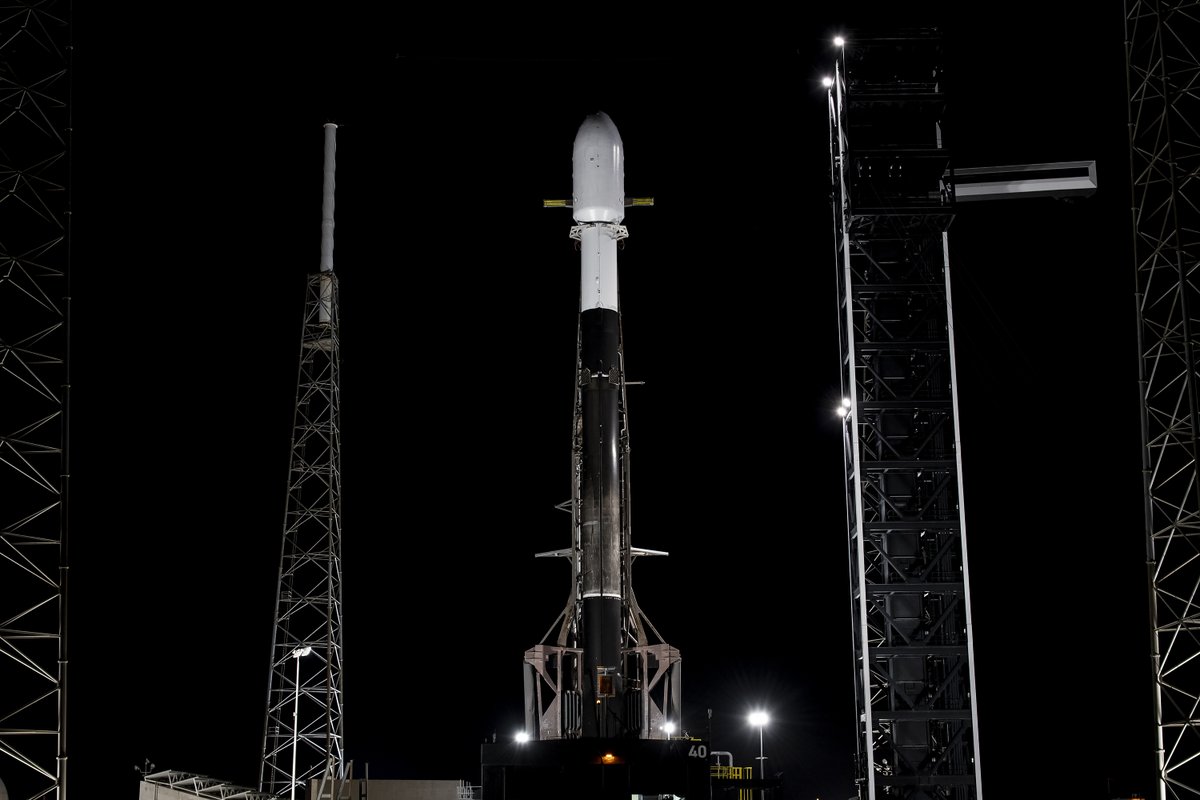
Space Launch Complex 40
Rocket Configuration
Falcon 9 Block 5
Falcon 9 Block 5 BlueBird Block 2 launch June 2026 is no ordinary ride. The countdown breathes. Concrete shudders before thunder decides to roar. These three birds aim to own low Earth orbit with arrays so wide they rewrite what satellites are allowed to be.
Falcon 9 Block 5 is the workhorse that refuses to apologize. Re-flown cores, stripped-down margins, and a record of turning pad time into profit. It lifts off from Space Launch Complex 40 where past missions learned how Florida wind can bite. This version carries BlueBird Block 2—each unit unfurling nearly 2400 square feet of communications fabric. That is more panel per satellite than any commercial craft ever lofted to low Earth orbit. The target is a simple monopoly: beams of 40 MHz width, 120 Mbps peaks, and coverage that never sleeps.
Six months of calendar space sit between now and late June 2026. Weather whispers nothing dangerous. The mission is independent, unencumbered by agency noise, and entirely focused on making voice, video, and data feel local even when routed from space. Latency shrinks. Capacity swells. Three satellites turn into a scaffold for a network that must prove it can carry America’s traffic without blinking—day after day without mercy or downtime.