SpaceX
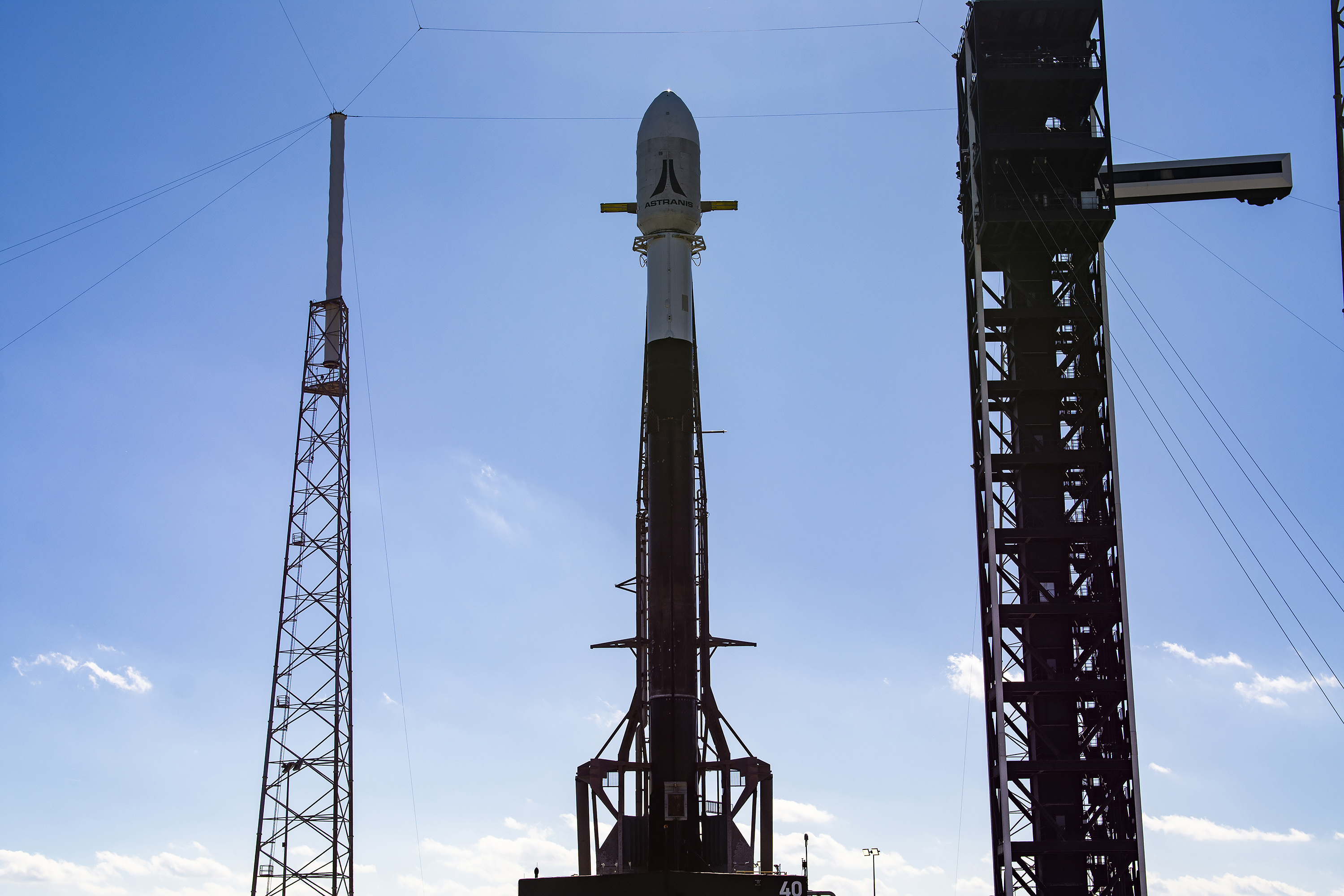
SpaceX's Falcon 9 to Launch 5 Astranis Birds in 2026
Target NET
3/31/2027, 12:00:00 AM
Launch Site
Unknown Pad
Rocket Configuration
Falcon 9 Block 5
Mission Overview
SpaceX Falcon 9 Astranis MicroGEO launch date set for September 2026. Five communication satellites to transform global coverage.
Mission Details & Analysis
Falcon 9's Cape Canaveral Countdown
SpaceX Falcon 9 Astranis MicroGEO launch date looms on September 30, 2026, marking another milestone for the reusable workhorse rocket. The countdown begins at Cape Canaveral Space Force Station, where Falcon 9 Block 5 has become a familiar sight—but this mission brings something new to the Florida skies: five Astranis MicroGEO satellites bound for geostationary orbit. The pad, still shrouded in mystery, awaits its moment in history as the Falcon 9's nine Merlin engines roar to life. This launch isn't just another mission—it's a constellation of communication ambitions reaching for the stars.
The tension builds as we approach launch day. No major weather concerns reported yet—but Florida is Florida. A tropical wave could change everything. SpaceX's track record speaks volumes: they know how to handle the unpredictable. The Falcon 9 Block 5, with its proven reliability, stands ready. The countdown clock ticks. 30 days remain until the Falcon 9 Astranis MicroGEO launch date arrives.
Astranis MicroGEO: The Future of Regional Coverage
Astranis isn't just building satellites—they're building regional communication hubs. MicroGEO technology represents a breakthrough in affordable, targeted coverage. These five birds—Apco 1 & 2 for Mexico, Thaicom-9 for Thailand, plus one each for Taiwan's Chunghwa Telecom and Oman's MB Group—will transform how their respective regions connect. No more relying on massive, expensive global satellites when a smaller, smarter solution exists.
What makes Astranis special? Their innovative approach to geostationary orbit insertion. Each satellite will launch into a custom transfer orbit, then perform its own ballet of maneuvers to reach its designated slot. This precision deployment maximizes coverage while minimizing interference—a critical advantage in increasingly crowded orbital neighborhoods. The Astranis MicroGEO constellation represents a paradigm shift in how we think about satellite communications—regional, targeted, and accessible.
Satellite Constellation: Global Partnerships in Orbit
International cooperation takes on a new meaning with this launch. Five different nations and entities—all coming together under the Falcon 9's fairing. Mexico gets two birds, Thailand one, Taiwan one, Oman one. Each with unique communication needs, each served by Astranis' innovative technology. This isn't just about launching satellites—it's about connecting communities, enabling economic growth, and bridging digital divides.
SpaceX's role as the launch provider underscores their position as the go-to choice for ambitious space missions. The Falcon 9 Block 5's track record speaks for itself—reusability, reliability, and the ability to deliver payloads to precise orbits. Astranis chose SpaceX not just for technical capability, but for shared vision: making space accessible, useful, and transformative for all. When the Falcon 9 lifts off with the Astranis MicroGEO satellites, it carries more than hardware—it carries the promise of a more connected world.