Rocket Lab
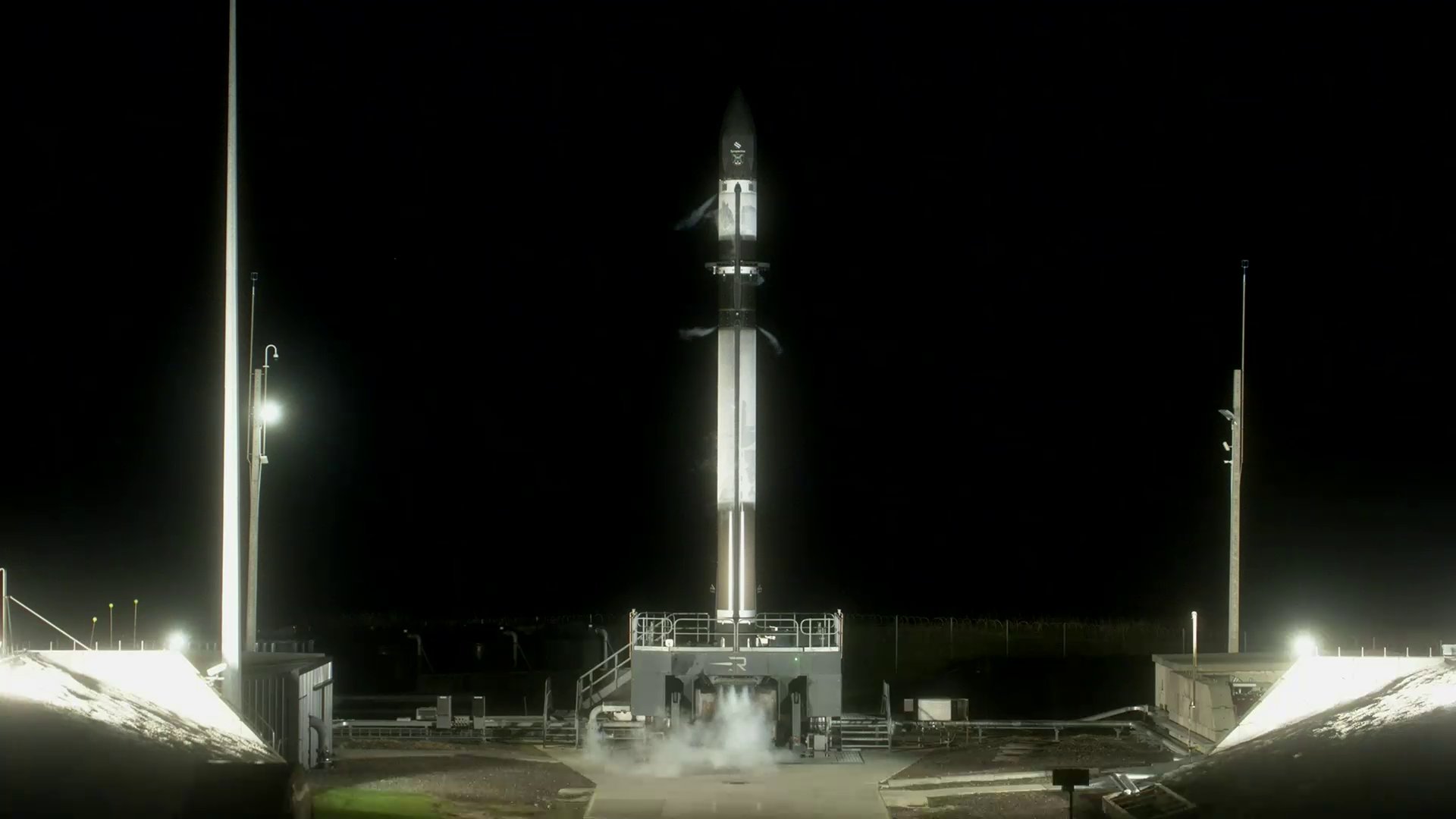
Rocket Lab Lights Up Mahia for Synspective Radar Bird
Target NET
5/22/2026, 9:33:00 AM
Launch Site
Rocket Lab Launch Complex 1B
Rocket Configuration
Electron
Live Mission Coverage
Mission Overview
Electron StriX-9 launch Synspective SAR satellite targets May 31 from Mahia. See how Rocket Lab’s small launcher sharpens Earth imaging with agile radar eyes.
Mission Details & Analysis
Pad glow cuts through Mahia mist like a blade
Countdown breaths feel louder than the surf. Electron StriX-9 launch Synspective SAR satellite slips toward May 31, 2026, as engineers coax certainty from carbon and kerosene. This is not a cathedral rollout. It is a small team betting on speed over spectacle.
Radar will see through clouds and night like a thief in sunlight. Synspective wants facts, not fanfare. Electron just has to deliver them.
All-tee, all-composite, all business
Rocket Lab crams 150 kilograms to Sun-Synchronous Orbit with Rutherford engines that print themselves into existence. Electric pumps. Battery-fed turbopumps. No gas generators choking the plume. Ten engines on the first stage, one on the second, each singing a precise, software-tuned note. The family may be obscure to outsiders, but the numbers are ruthlessly legible: high cadence, tiny margins, zero nostalgia.
Nine flights have already proven they can thread the needle between payloads and profitability. Weather looks docile. Systems look hungry.
New Zealand turf, global leverage
Launch Complex 1 squats on the Mahia Peninsula where sheep once outnumbered humans. Now it punches above its latitude, sliding Electron into inclinations that spy a cleaner lap around the Earth. Independent missions like this one skip the bureaucracy of big programs and let Synspective iterate like a software shop with a radar rig in orbit.
Sun-synchronous paths repeat like metronomes. Synthetic aperture radar stitches those passes into a living map that sees roof shifts, soil slips, ships dark in fog. Electron lifts, turns, deploys. Then the pad cools and the next countdown starts.