Rocket Lab
Kakushin Rising: Rocket Lab Sneaks Eight Birds Into Orbit
Target NET
4/23/2026, 3:09:00 AM
Launch Site
Rocket Lab Launch Complex 1A
Rocket Configuration
Electron
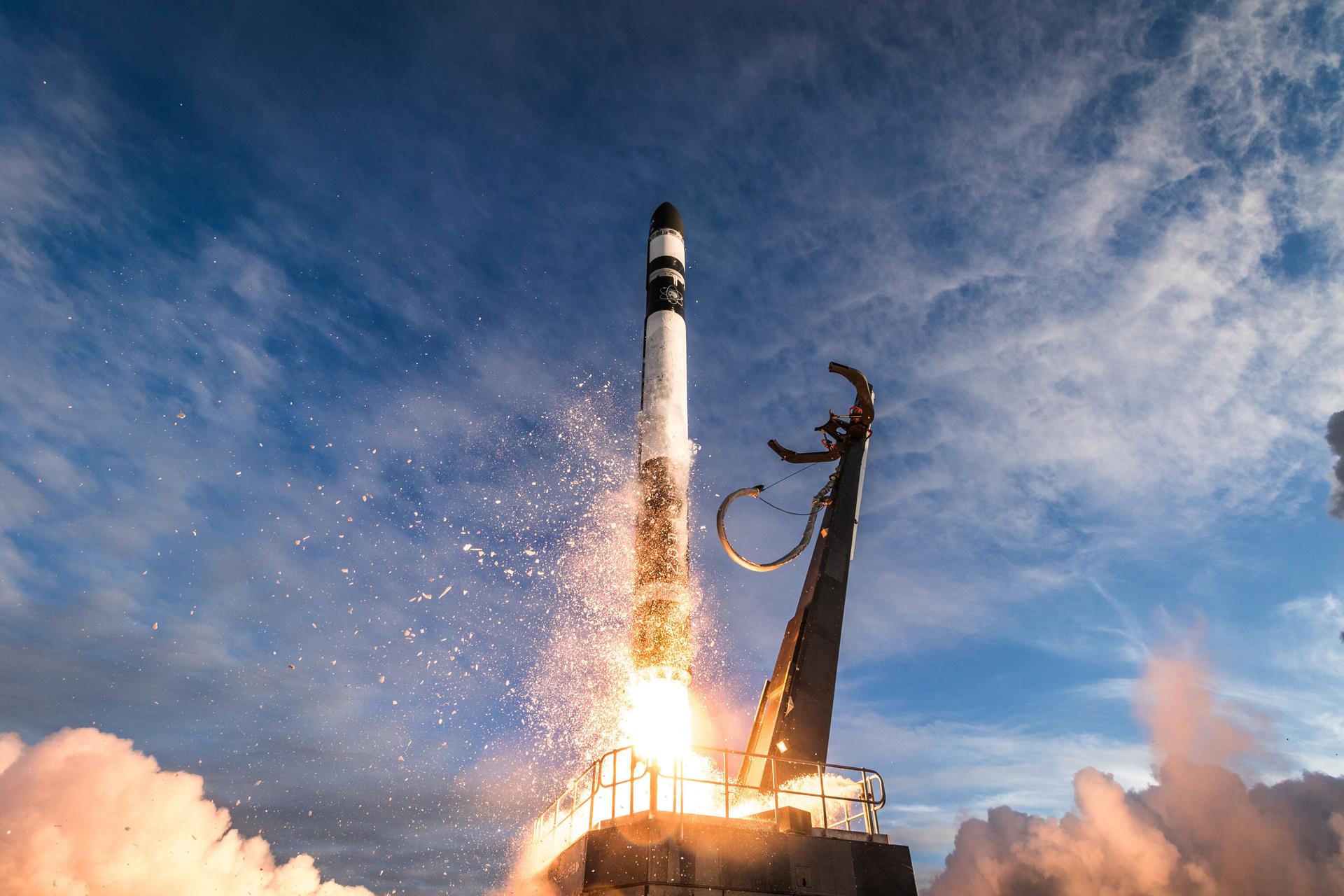
We wait. The pad gulps coastal wind. This Electron Kakushin Rising 2026 launch steals a window once promised to Japan’s exploded Epsilon-S—now resurrected by Rocket Lab.
Eight satellites dangle like loose change in a velvet fist. MAGNARO-II. KOSEN-2R. WASEDA-SAT-ZERO-II. Mono-Nikko. Names that sound like code-words for midnight mischief. The rocket hums. T-minus refuses to sit still.
Rocket Lab has chalked up 33 clean wins. Not flawless gods—just engineers who hate losing. Electron is pint-sized but venomous, built to thread needles while big rockets flex. Sun-synchronous orbit demands discipline: a knife-edge tilt that hugs daybreak shadows until batteries die. Technology demonstrations do not forgive wobbles. This one carries origami that blossoms to twenty-five times its packed self—a paper flower made of radio steel.
Complex 1A in New Zealand is not glamorous. It is corrugated truth. Salt air gnaws paint. Teams sprint across wet grass with coffee and curses. No parades. Just telemetry that tastes like copper.
JAXA’s original plan cratered when Epsilon-S test fires spat failure. Payloads sat in limbo, aging like unsent letters. Rakuten of risk: slot them on Electron, bet on precision over pomp. Ocean monitors and multispectral demo cams now hitch quietly, unconcerned with branding. ARICA-2. PRELUDE. FSI-SAT2. They prefer work to press releases.
The pad breathes. Lightning is a rumor. If all holds, these eight machines will unspool above a spinning Earth that never asked permission—only performance.