Rocket Lab
Electron Aspera Hunts Invisible Star Birth in 2026
Target NET
12/31/2026, 12:00:00 AM
Launch Site
Unknown Pad
Rocket Configuration
Electron
Mission Overview
Countdown to the Electron Aspera NASA ultraviolet telescope launch 2026. Rocket Lab targets hot gas in the intergalactic medium with a daring small-sat liftoff from New Zealand.
Mission Details & Analysis
Mahia Peninsula Ignition Sequence
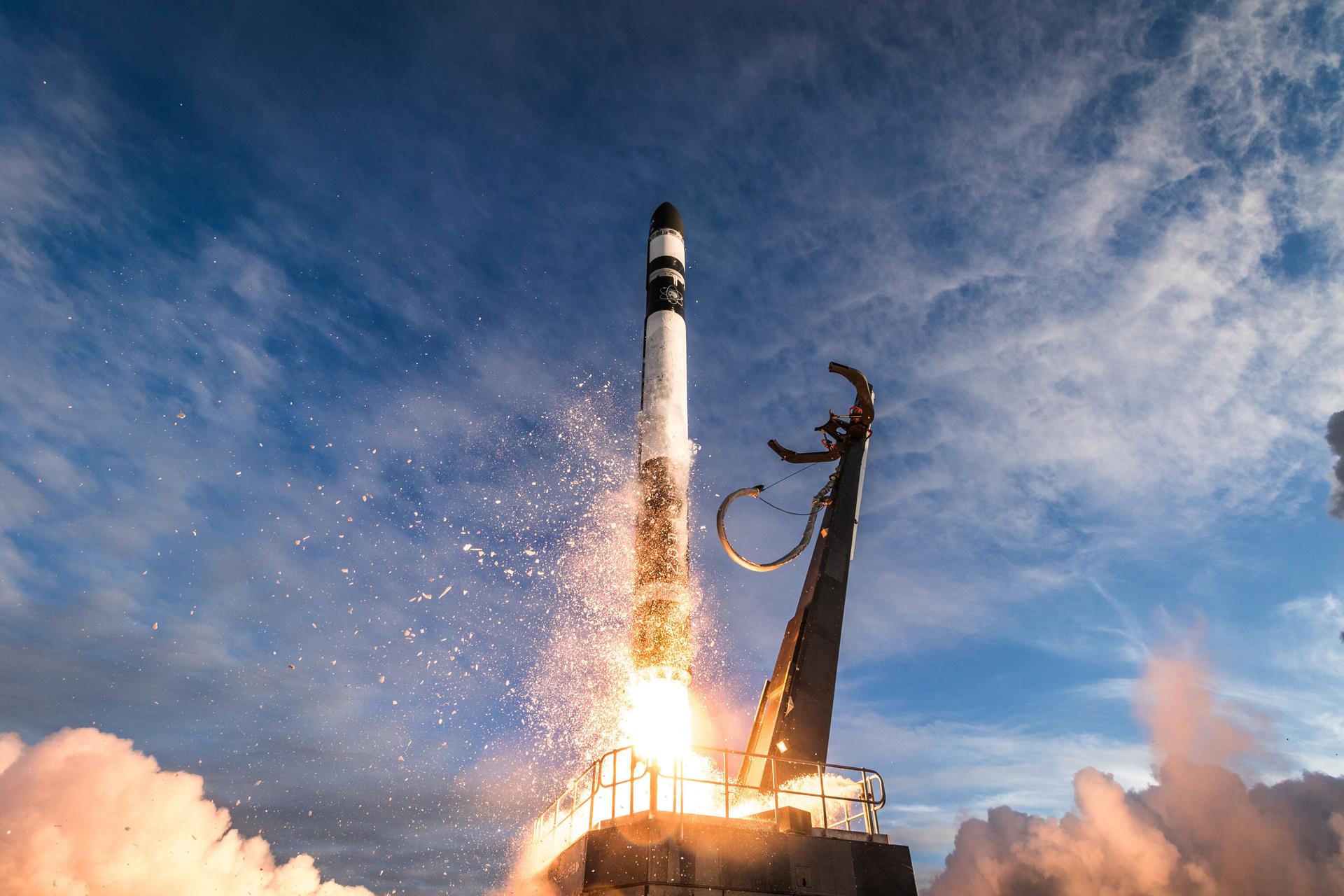
The pad breathes. Fuel sings. Electron Aspera NASA ultraviolet telescope launch 2026 slips past clouds and clockwork into a razor window. Rocket Lab trusts its 122nd win to a carbon-black needle punching through dawn. No drama. Just velocity.
New Zealand tides pull back. The rocket drinks kerosene and voltage. A low growl climbs into thunder. Then the sky tears open and the arc begins—clean, greedy, unstoppable.
Electron’s Bare-Knuckle Climb
Rutherford pumps spin like watchmakers gone feral. Battery guts replace heavy turbomachinery. The booster trades brute force for finesse—nine little hooves kicking a single payload uphill. Twelve seconds. Stage drop. Vacuum kiss. The mission prefers autonomy over applause. It has no reusable illusions. It only delivers.
Ultraviolet Eyes on Hidden Star Soup
Aspera holds an ultraviolet telescope that sniffs hot gas threading the intergalactic medium. This ghostly broth feeds stellar nurseries and, maybe, the raw chemistry of planets. NASA lets a small launcher do heavy science because the telescope is hungry for photons ignored by giants. Data will map invisible rivers where stars are born and life may start. Raw. Early. Unfiltered.