United Launch Alliance
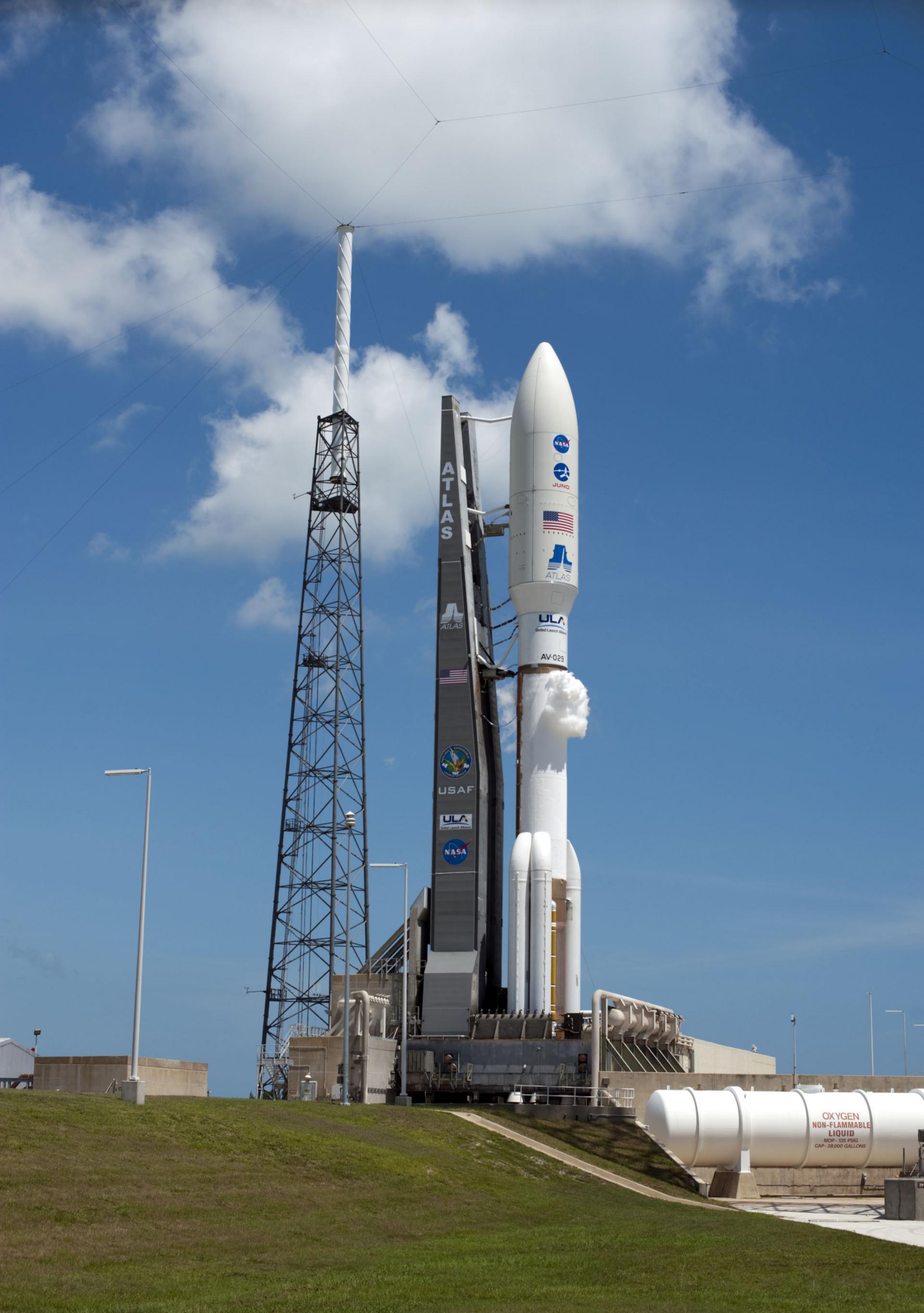
Atlas V 551 Fires Up for Amazon Leo in 2026
Target NET
7/2/2026, 4:30:15 AM
Launch Site
Space Launch Complex 41
Rocket Configuration
Atlas V 551
Live Mission Coverage
Mission Overview
Countdown to the Atlas V 551 Amazon Leo launch 2026 from Cape Canaveral. 29 satellites ignite Amazon’s broadband moonshot against the sky.
Mission Details & Analysis
Ignition Sequence at SLC-41
The blockhouse breathes. Fuel pumps whine like teeth grinding metal. Atlas V 551 Amazon Leo launch 2026 slips past the pad in a glare that turns swampland into daylight. No cheerleading. Just numbers tightening around throttle limits. Cape Canaveral knows this smell—kerosene, lies, and lift.
We are three hours out and already sweating avionics. Telemetry needles twitch before liftoff because perfection is a habit here. This is where rockets stop being concepts and start throwing hardware at orbit.
Twin Bells and Half a Million Pounds
Atlas V 551 packs five solid rocket boosters hugging a single-engine Centaur. The math screams confidence. SRBs peel away in pairs, leaving asymmetric thumps in the sky. Centaur takes over clean, sipping hydrogen while steering through thin air that can’t decide if it’s atmosphere or void. It is a ballet of brute force and calculus.
United Launch Alliance does not do hype. They do repeatable trajectories and margins thin enough to slice glass. SLC-41 has seen decades of fire aimed at the same azimuth. The pad yawns, stretches, and delivers again.
Thirty Birds and a Billion Bets
Amazon Leo is no longer Project Kuiper. It is 3,276 birds planned, three orbital shells, and a promise to wire the unreachable. This mission hauls 29 satellites to punch lanes through the ionosphere at 590, 610, 630 kilometers. Latency shrinks. Constellations knit. Terrestrial cables look nervous.
Broadband from space sounds glossy. The reality is cold thruster burns and endless tracking loops. These birds will race each dawn over rainforests and fjords, routing packets through vacuum while the ground waits for a signal that refuses to drop.