United Launch Alliance
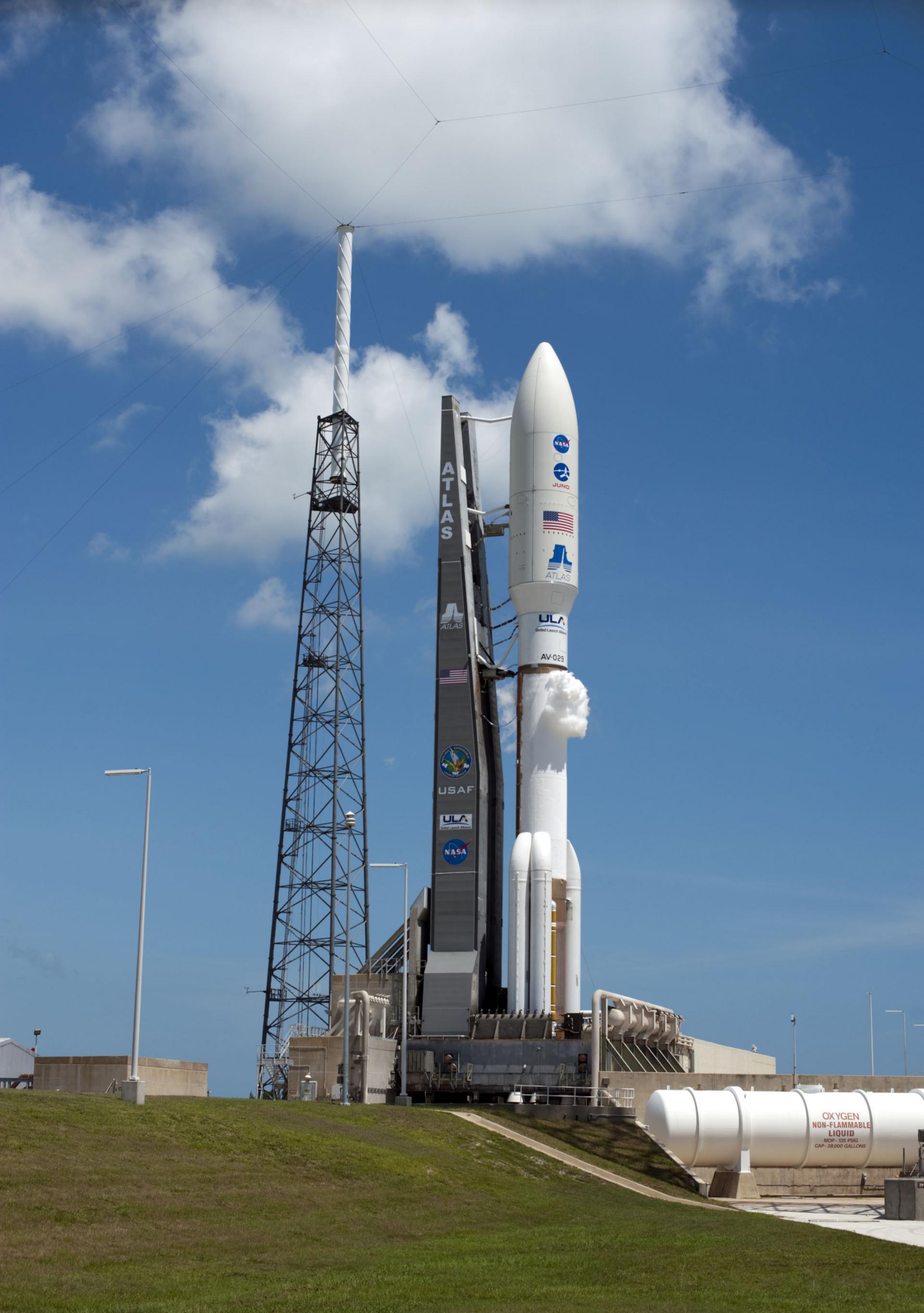
Atlas V 551 Amazon Leo Launch May 2026: 29 Satellites, No Delays
Target NET
5/29/2026, 11:53:00 PM
Launch Site
Space Launch Complex 41
Rocket Configuration
Atlas V 551
Live Mission Coverage
Mission Overview
Atlas V 551 Amazon Leo launch May 2026 fires from Cape Canaveral with 29 broadband sats. Zero delays, 98 planes, 3,276 birds. Raw access meets orbit reality.
Mission Details & Analysis
SLC-41 Ignition Sequence Starts Now
Cape wind bites steel. T-minus hours blink into a razor. The Atlas V 551 Amazon Leo launch May 2026 carries 29 broadband birds into a cloudless dawn—no waivers, no excuses. Fuel flows while controllers trade silence like currency.
ULA knows this pad. It burns certainty with kerosene and muscle. By sunrise these satellites will snap into choreography that Amazon Leo spent years plotting—98 planes, three tight layers, no apologies for latency.
551 Muscle Over Legacy Math
Five-meter fairing. One rigid Centaur. Six solids bolted like knuckles. Atlas V 551 chooses brute elegance over marketing fluff. It hauls mass to low Earth orbit without begging for reuse theater. The stack flies when margins are thin and weather lies.
ULA’s ledger is sparse on fanfare but heavy on lifts from SLC-41. This Cape Canaveral spine has shrugged off storms and schedules for decades. Amazon Leo trusts it because the booster does not speak in promises—only thrust curves and clock discipline.
3,276 Birds, 98 Planes, One Constellation
Amazon Leo—once called Project Kuiper—plans 3,276 satellites split across layers at 590, 610, and 630 kilometers. Today’s 29 add punctuation to a sentence that will span years. Kuiper Systems LLC wants low-latency broadband to stick in places fiber forgot.
Orbit slots are finite real estate. Getting planes aligned means threading needles while Earth rotates beneath lawsuits and spectrum squabbles. This launch is not a finale. It is a scalpel cutting delay out of the equation and handing bandwidth back to the ground.