United Launch Alliance
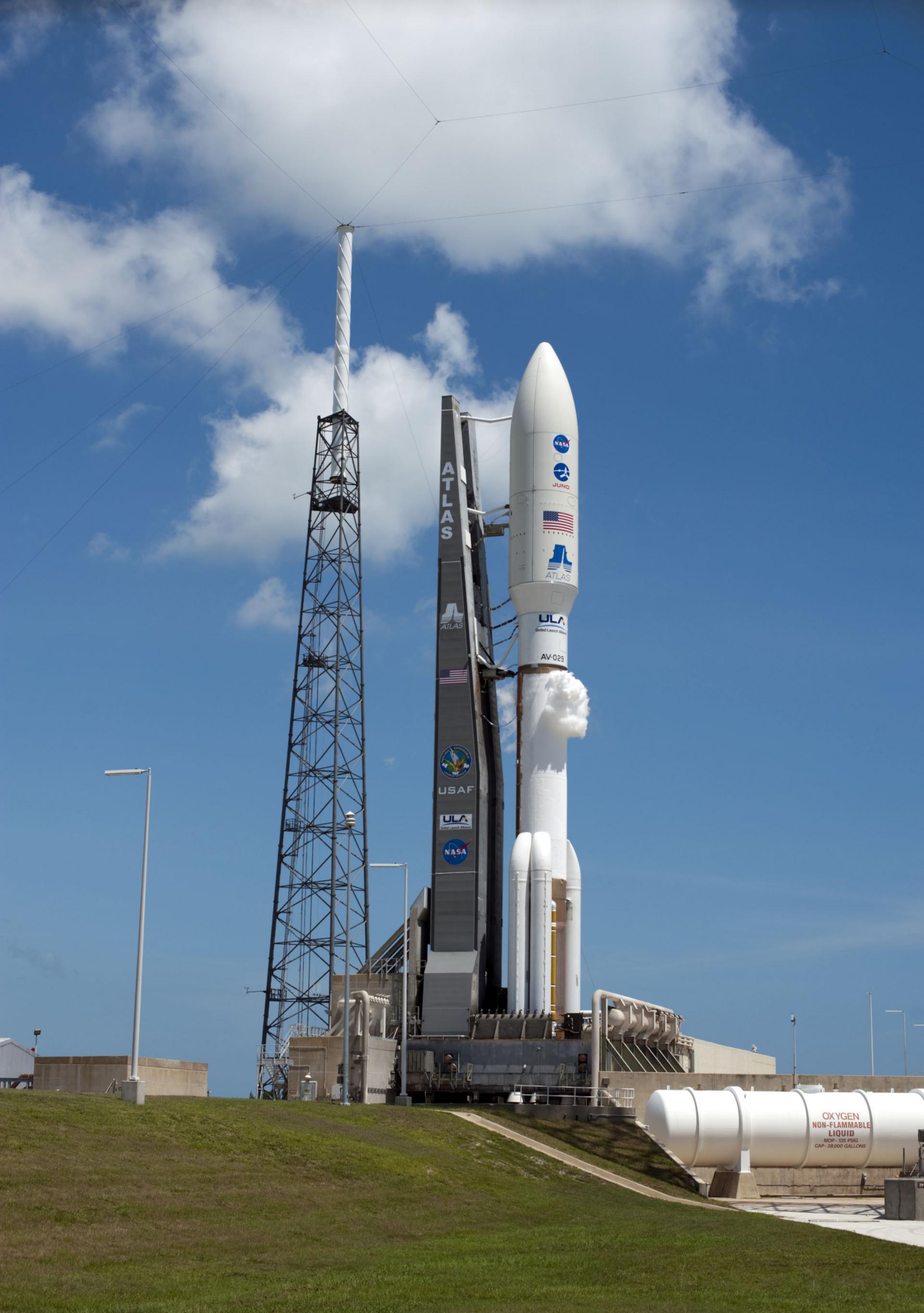
Atlas V 551 Fires Amazon Leo Into Orbit Come April 2026
Target NET
4/28/2026, 12:53:30 AM
Launch Site
Space Launch Complex 41
Rocket Configuration
Atlas V 551
Live Mission Coverage
Mission Overview
Atlas V 551 Amazon Leo launch 2026 puts 29 broadband sats on course from Cape Canaveral. See how ULA lights the sky and tightens latency worldwide.
Mission Details & Analysis
29 Birds, One Heavy Hauler, Zero Margin for Drama
Atlas V 551 Amazon Leo launch 2026 arrives like a dare. Pad 41 exhales. Frost bleeds from the booster as the countdown licks past zero. Twenty-nine Amazon Leo satellites will claw out of the cumulus rule and carve a mesh over every forgotten town that telco forgot.
Cape Canaveral’s Concrete Spellbook
Space Launch Complex 41 knows how to keep secrets—and send them skyward. Atlas V 551, the beefiest stick in ULA’s stable, straps five solid boosters to a Centaur upper stage that burns with accountant-grade precision. United Launch Alliance treats success like breathing. No victory laps. Just orbital insertion repeated until it is boring. Amazon Leo rides this rhythm to low Earth orbit at 590, 610, and 630 kilometers—three tight layers that will one day hum with 3,276 satellites snapping laser threads across the globe.
Latency Dies a Quick Death Here
Broadband from space used to mean compromise. Amazon Leo wants a rewrite. Those 29 satellites on this flight will test everything: beam shaping, inter-satellite links, the cold math of keeping bits flowing while racing at 28,000 kilometers per hour. Amazon’s Kuiper Systems LLC planted this bet in 2019 and refuses to trim ambition. If the weather relents and the rocket obeys, April 28 will not be a footnote. It will be the day the sky finally started acting like infrastructure.